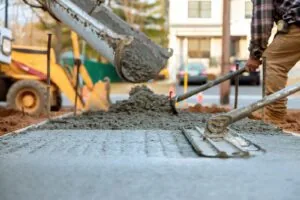
Georgia property owners have a duty to keep their properties reasonably safe. However, potholes, cracks, standing water, uneven pavement, and faded markings can create unsafe conditions and lead to liability issues.
Regular parking lot maintenance in Savannah, such as surface repairs, pavement markings, and drainage maintenance, is one of the best ways to reduce common hazards.
Platinum Paving and Concrete delivers expert maintenance solutions to commercial property owners in Savannah and throughout Georgia. Here’s what you need to know about parking lot maintenance in Savannah, GA, and how to reduce your liability risk.
Why Neglected Parking Lots Create Legal Liability
Georgia property owners must exercise “ordinary care” to keep their property and approaches reasonably safe for visitors. This is the foundation of premises liability law, where failing to address hazardous conditions may result in an injury claim.
Some of the most common parking lot injury claims include:
- Cracked or uneven pavement that creates trip hazards.
- Broken curbs or wheel stops that create obstacles for pedestrians.
- Faded crosswalks and markings that make designated pedestrian areas more difficult to see.
Georgia also uses a modified comparative fault rule, meaning fault may be shared between the people involved in an incident. Regular inspections, timely repairs, and maintenance records can help property owners manage these risks.
How Savannah’s Climate Accelerates Pavement Damage
Savannah’s heat and frequent rainfall can accelerate pavement damage. Sun exposure can cause asphalt to age, while rainwater can seep into cracks and weaken the pavement below, creating potential trip-and-fall hazards.
Regular pavement and drainage inspections are especially important during hurricane season. For Savannah businesses and property owners, proactive parking lot maintenance helps keep properties safe, welcoming, and well-maintained.
Maintenance Services That Directly Reduce Liability Exposure
Regular parking lot maintenance in Savannah, GA, helps preserve safe conditions, reduce hazards, and limit potential liability exposure for property owners and managers.
Here are common maintenance services to maintain parking lot safety:
Crack Filling and Pothole Repair
Cracks and potholes can create uneven surfaces and trip hazards. Crack filling helps limit water from entering cracks, while asphalt patching and pothole repair address damaged areas before they spread.
Keeping detailed records of inspections and repairs is also critical when defending against an injury claim. These records can show when a hazard was identified and how quickly it was addressed.
Pavement Markings, Striping, and Signage
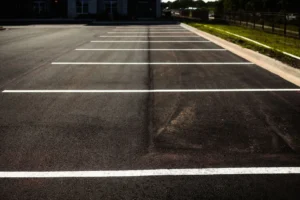
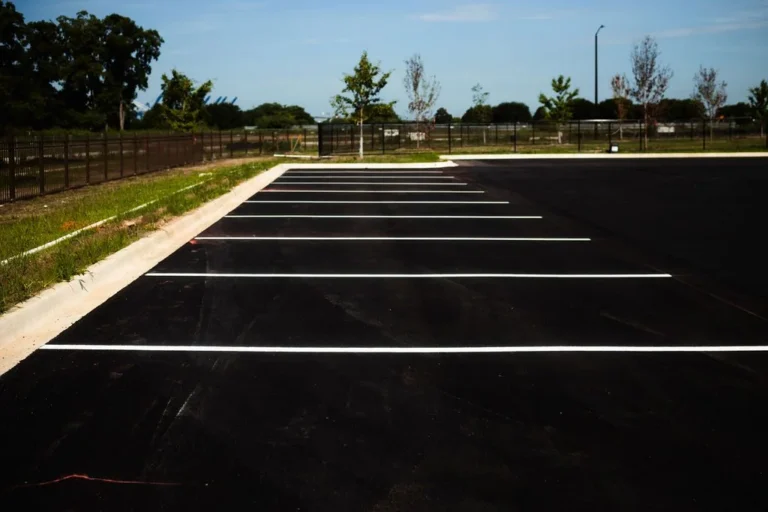
Faded markings can make it harder for drivers and pedestrians to navigate a parking lot safely. Clear crosswalks, stop bars, fire lanes, parking spaces, and directional arrows provide important visual guidance.
Professional parking lot striping in Savannah can restore worn markings and improve visibility. Depending on traffic volume and UV exposure, restriping is recommended every 18–24 months.
Drainage Maintenance and Water Management
Standing water creates slippery conditions that can contribute to pavement damage and trip hazards. Over time, poor drainage can also weaken the pavement structure and lead to cracks, potholes, and other failures.
Professional drainage services address problems with water flow, grading, and drainage systems. Property owners should pay close attention to recurring standing water and drainage complaints, especially after heavy rain.
ADA Compliance as a Liability Issue — Not Just a Federal Requirement
All property managers must adhere to the Americans with Disabilities Act (ADA) for parking lot safety and property maintenance. An ADA-compliant parking lot must provide accessible parking spaces, access aisles, appropriate slopes, and required signage.
Failing to meet parking lot ADA compliance may result in federal enforcement, as well as potential state civil claims.
What Counts as an ADA Violation in a Parking Lot?
Common ADA parking lot problems include:
- Too few accessible parking spaces.
- Missing or incorrect van-accessible spaces and access aisles.
- Missing or faded accessibility signs and markings.
- Slopes that do not meet ADA requirements.
Damaged pavement can also make accessible spaces and routes harder to use. Checking ADA requirements during maintenance or resurfacing can help property owners address these issues early.
How ADA Violations Translate to Legal and Financial Exposure
ADA violations can create legal and financial exposure even when no physical injury occurs. Individuals who encounter accessibility barriers may pursue legal action or request modifications to bring a property into compliance.
The U.S. Department of Justice can also enforce ADA requirements and, in qualifying cases, seek civil penalties. For property owners, addressing accessibility issues as part of regular parking lot maintenance is generally more proactive than waiting for a complaint or enforcement action.
Common Parking Lot Maintenance Mistakes That Increase Liability
Avoid these common maintenance mistakes that increase parking lot liability:
- Repairing potholes without fixing drainage problems: Poor drainage can cause pavement damage to return. Addressing the source of the problem can help repairs last longer.
- Skipping annual pavement inspections: Routine inspections help find cracks, potholes, drainage issues, and other hazards before they worsen.
- Letting pavement markings fade: Worn crosswalks, traffic markings, and parking lines can make it harder for drivers and pedestrians to safely move through the lot.
- Ignoring ADA compliance after resurfacing: Pavement changes can affect slopes and accessible routes. ADA requirements should be reviewed as part of resurfacing work.
- Keeping no maintenance records: Inspection reports, repair invoices, photos, and written complaints create a record of how parking lot problems were handled.
Reduce Parking Lot Liability With Regular Maintenance
Proactive parking lot maintenance in Savannah, GA can help keep your parking lot safer and prevent unnecessary liability issues.
Platinum Paving and Concrete provides professional maintenance and parking lot repair in Savannah, Georgia to help you protect your property and those who visit. We’ll develop a parking lot maintenance plan tailored to your property’s traffic demands, industry, and local climate.
Contact our team to request an inspection at your property.
FAQ — Parking Lot Maintenance and Liability in Savannah, GA
How often should a commercial parking lot be inspected in Savannah?
A professional inspection at least once a year can help identify developing problems. Property managers should also check for pavement and drainage issues after major storms.
Does a faded parking lot count as a liability hazard?
Faded crosswalks and traffic markings can reduce visibility and create safety concerns. Restriping should be scheduled when markings become difficult for drivers or pedestrians to see.
Can I be sued for an ADA violation even if no one was injured?
Yes. ADA accessibility issues can lead to complaints or legal action even when no physical injury has occurred.
What maintenance records should I keep to protect myself legally?
Keep dated inspection reports, repair invoices, before-and-after photos, and written complaints. These records can show when problems were identified and what steps were taken to address them.
Does sealcoating help reduce liability risks?
Sealcoating can help protect structurally sound asphalt from oxidation, weather exposure, and surface wear. It does not repair potholes or structural damage, so necessary repairs should be completed separately.