Cracked walkways, worn joints, stained entrances, and water collecting after a storm all tell you something about the condition of your concrete. A practical concrete maintenance plan helps you keep track of those changes and decide what needs routine attention, a repair, or a closer look.
Working on commercial concrete across Georgia gives our team at Platinum Paving & Concrete deep knowledge of the problems property managers face as paved surfaces age. We put this guide together to help you catch developing problems, stay on top of routine maintenance, and know when an issue needs professional attention.
What Is Commercial Concrete Maintenance?
Commercial concrete maintenance means monitoring existing concrete and addressing issues as they arise. The maintenance a busy parking area needs, for example, can look different from what you’d do for a sidewalk or interior floor slab.
Routine Maintenance vs. Concrete Repair
Routine maintenance includes inspecting surfaces, removing debris, cleaning spills, checking drainage, and monitoring joints and protective treatments. These steps help you maintain the concrete’s condition and spot when routine care is no longer enough.
That’s when you turn to repair, which focuses on existing damage or failed sections that maintenance alone cannot correct. The condition and cause of the damage help determine which commercial concrete services are appropriate.
Commercial Concrete Surfaces That Need Attention
- Parking Areas and Drive Aisles: Check joints, slab edges, drainage paths, and areas exposed to regular vehicle traffic.
- Sidewalks and Ramps: Include concrete flatwork surfaces in routine inspections, watching for deterioration and uneven transitions along pedestrian routes.
- Loading Areas: Look for recurring damage in areas exposed to heavier vehicle and equipment loads.
- Floor Slabs: Monitor commercial floor slabs for changes in surface and joint conditions based on how the space is used.
Why Commercial Concrete Maintenance Matters for Georgia Properties
- Plan Repairs Earlier: Spotting deterioration gives you time to investigate the cause and schedule the appropriate work. If concrete near a drain keeps deteriorating, for example, assess the drainage issue along with the damaged surface.
- Keep Accessible Routes in Check: Check sidewalks, ramps, and parking access aisles for damage or uneven transitions. ADA accessibility standards address surface characteristics and changes in level along accessible routes, so include these conditions when evaluating broader ADA parking and accessibility improvements.
- Keep the Property Functional: Maintained entrances, walkways, and parking areas help keep everyday traffic moving through the property. After significant Georgia rain, check for recurring puddles, blocked drainage paths, or new surface damage that may need attention.
- Track Changes Over Time: Photos and maintenance records give you something to compare during future inspections, making recurring damage or movement easier to identify.
A Commercial Concrete Maintenance Schedule: What to Do and When
How often you need to inspect or maintain concrete depends on traffic, surface condition, weather exposure, and how the surface is used. Build these checks into routine property inspections so you can document developing problems and plan around other site work.
| When | What to Check |
|---|---|
| Routine Site Rounds | Debris, spills, standing water, visible surface damage, and blocked drainage paths |
| Scheduled Condition Reviews | Cracks, joints, slab edges, sealers or coatings, and areas with recurring wear |
| After Significant Weather | New damage, erosion, drainage problems, or changes around previously affected areas |
| Product-Specific Maintenance | Follow the manufacturer’s guidance for cleaning, recoating, or resealing treated surfaces |
Inspect Surfaces and Document Changes
Look for new or widening cracks, uneven slab edges, loose material, deteriorated joints, and recurring puddles. Take photos and note the location of any damage so you can compare it during future inspections. If the same area keeps failing or you notice significant movement, investigate the cause before trying to repair again.
Concrete Parking Lot Maintenance
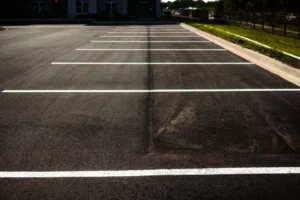
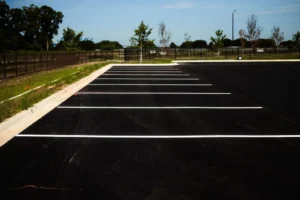
For concrete parking lot maintenance, pay close attention to drive aisles, entrances, pedestrian connections, heavier traffic areas, and drainage. Keep drainage paths clear and investigate recurring standing water, which may point to poor drainage or a problem with how water moves across the site. In those cases, parking lot drainage solutions may need to be addressed along with the damaged concrete.
Concrete Sealing
Check sealed concrete for wear, peeling, discoloration, or other changes in the finish. If resealing is needed, complete repairs first and properly prepare the surface for a compatible product.
Timing depends on traffic, weather exposure, use, and the existing sealer, so use the manufacturer’s recommendations to decide when another application makes sense.
Crack and Joint Maintenance
Joints are intentionally placed to accommodate or control movement in the concrete. Cracks, on the other hand, can develop from issues like shrinkage or movement beneath the slab. Watch for cracks that widen or return after repair, since repeated movement may need to be addressed before another repair will hold.
Cleaning and Stain Management
Stay ahead of buildup by removing debris and cleaning spills promptly, especially around high-traffic areas. For sealed or decorative concrete, use cleaners compatible with the existing finish, and test unfamiliar products in a less visible area first.
If you notice whitening, persistent discoloration, or peeling, check the existing sealer or coating before applying another product.
Common Concrete Maintenance Mistakes
- Repairing Recurring Damage Without Finding the Cause: If the same crack, damaged joint, or deteriorated section keeps returning, look beyond the visible damage. Drainage problems, settlement, repeated loading, or movement beneath the slab may need to be addressed as part of the concrete maintenance and repair plan.
- Applying Sealer Before the Surface Is Ready: Complete necessary repairs and properly clean and prepare the concrete before applying sealer. Check moisture conditions and product compatibility as well, following the manufacturer’s requirements for the sealer being used.
- Using the Same Maintenance Routine Everywhere: A warehouse floor, exterior parking area, and decorative entrance face different traffic and exposure. Keep installation records, previous repair details, and product information when available so future maintenance can account for what is already on the surface.
FAQs
How Often Should Commercial Concrete Be Sealed?
Resealing frequency depends on the sealer, traffic, weather exposure, and condition of the existing finish. Follow the manufacturer’s recommendations and check for signs of wear before resealing.
What’s the Difference Between Concrete Maintenance and Repair?
Maintenance covers ongoing care such as inspections, cleaning, drainage upkeep, and monitoring joints or sealers. Repair addresses existing damage or failed sections. Regular maintenance can catch problems earlier, but it cannot correct every underlying cause.
How Do You Maintain a Commercial Concrete Parking Lot?
Regularly inspect drive aisles, joints, drainage paths, and pedestrian connections. Keep drainage areas clear, clean spills promptly, and document cracks, standing water, or other damage so you can track changes between inspections.
Can You Seal Concrete That Has Cracks?
Possibly, but evaluate the cracks first. A surface sealer will not repair a crack or stop movement beneath the concrete. Complete any necessary repairs and surface preparation before sealing, following the product requirements.
How Long Does Commercial Concrete Last?
Commercial concrete can remain in service for decades, but lifespan varies with installation, soil conditions, traffic, weather exposure, and maintenance. For repair planning, the concrete’s current condition is often more useful than its age alone.
Plan Your Commercial Concrete Maintenance With Platinum Paving
Concrete rarely goes from fine to failed overnight. Recurring cracks, worn joints, and drainage trouble can give you an earlier indication that something needs attention. Staying on top of concrete maintenance gives you time to investigate the cause and plan the work around your property instead of reacting to the next problem.
If your concrete is starting to show its age, or you’re tired of dealing with the same trouble spots that keep coming back, bring in our commercial concrete contractors to figure out the right next step.