
Commercial Asphalt Paving Contractor in Savannah and Across Georgia
Platinum Paving and Concrete specializes in comprehensive asphalt paving solutions, including overlay, resurfacing, expansion, new paving, reclamation, and repaving. From high-traffic parking lots to access roads and loading areas, we ensure your pavement performs well for years to come.
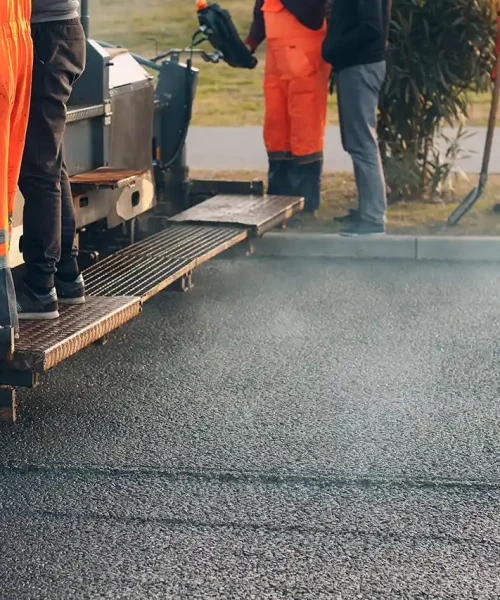
Find the Right Asphalt Paving Solution
Platinum Paving and Concrete is an asphalt paving company that serves private, commercial, industrial, federal, and municipal sectors.
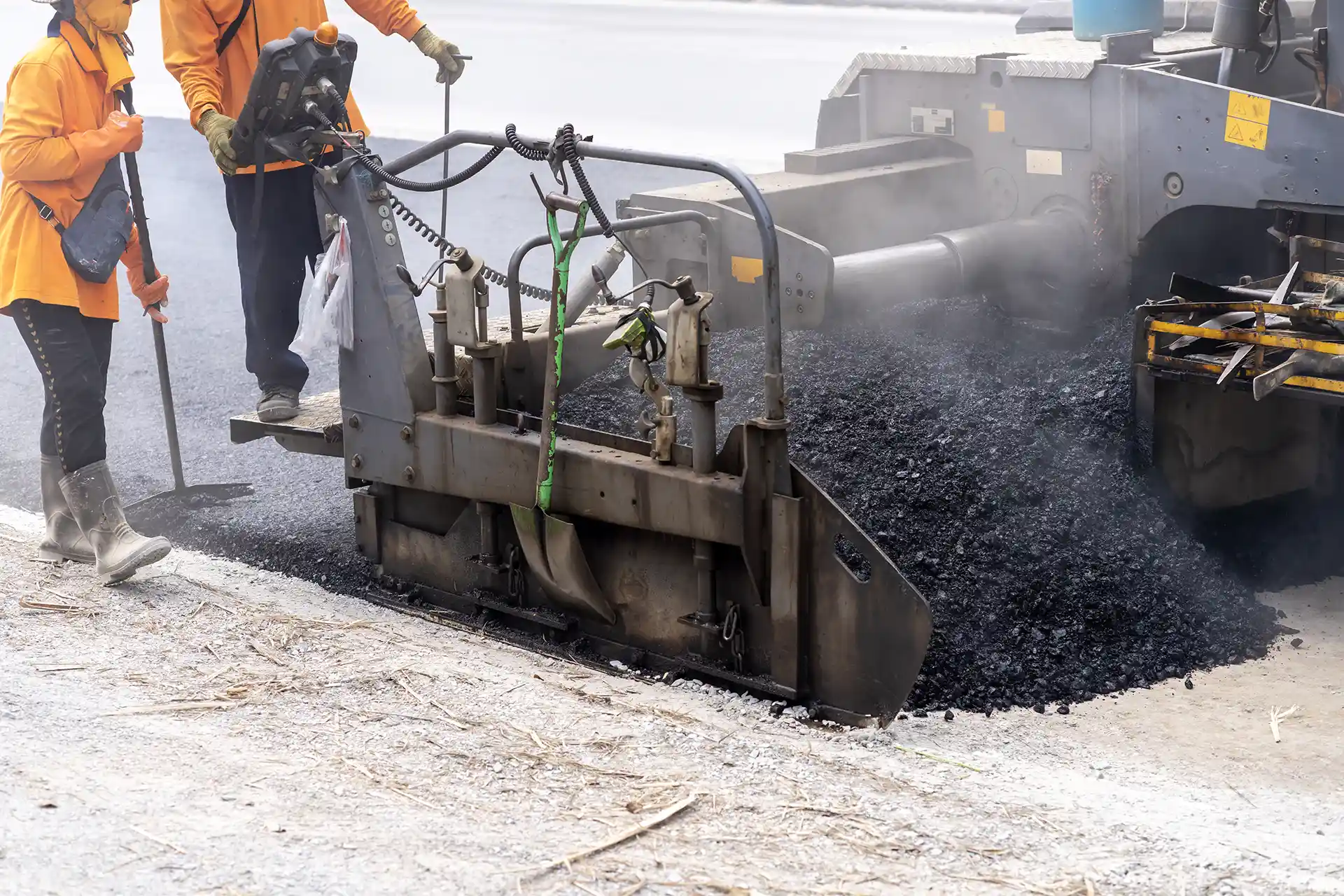
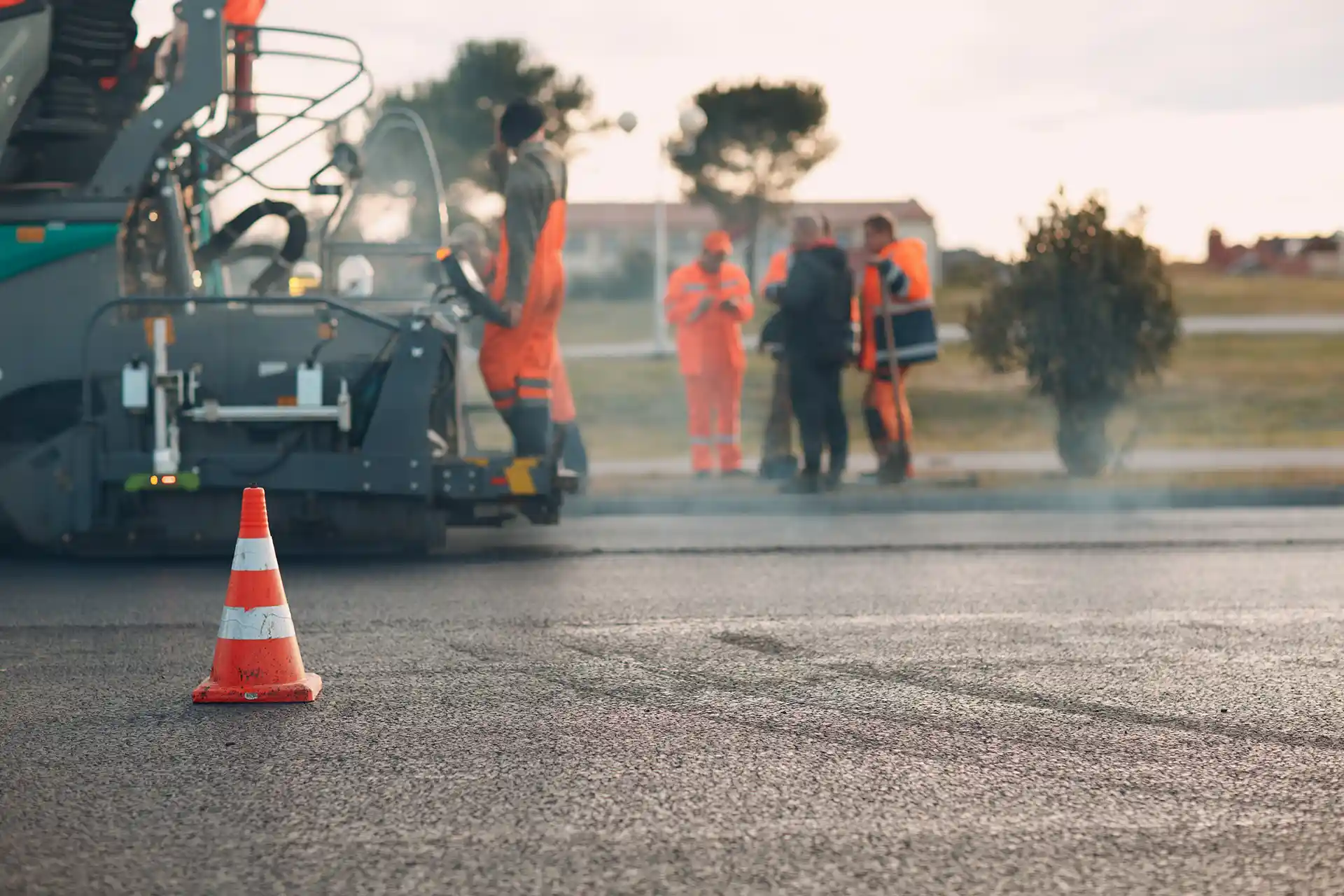
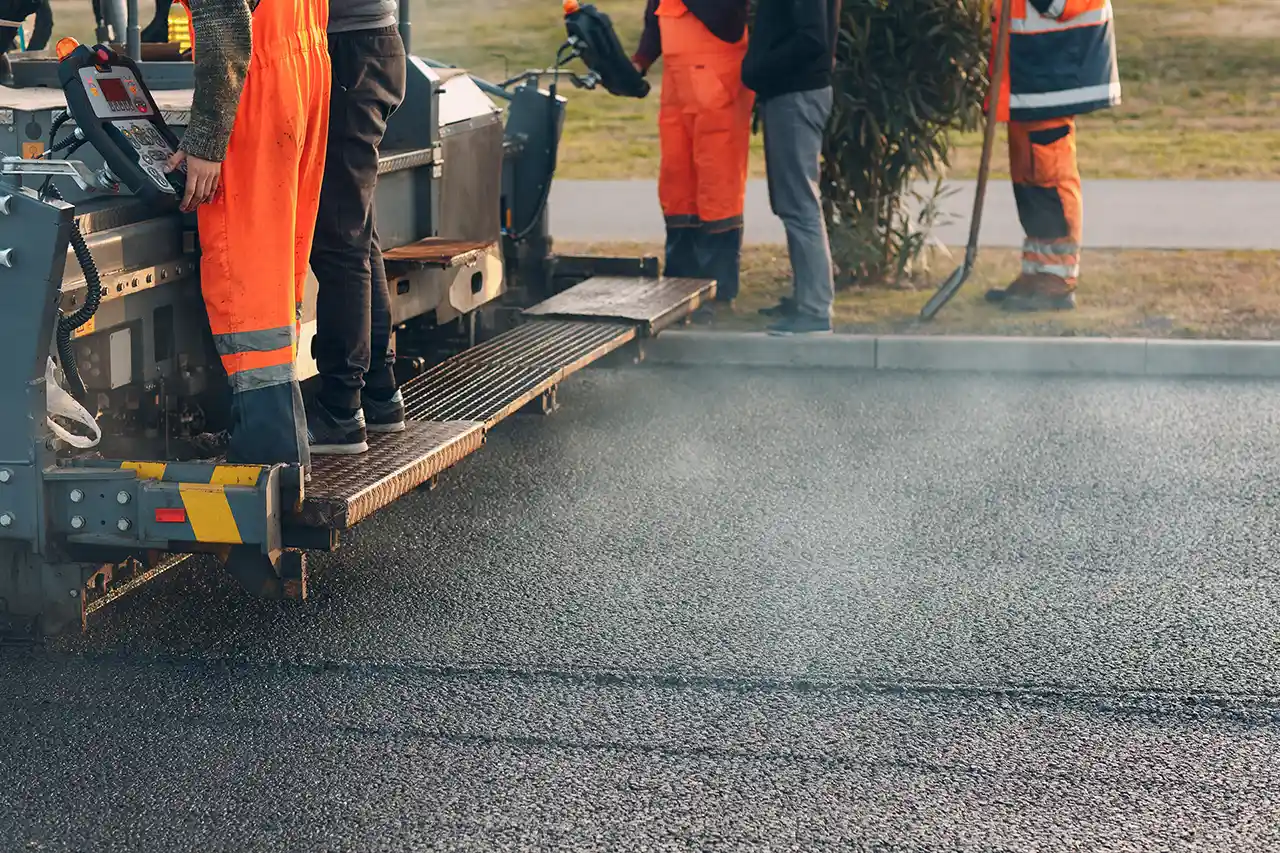
As experienced asphalt contractors, we use advanced equipment to deliver precise, efficient asphalt paving for projects of all sizes – whether it’s a new parking lot, access road, loading area, or commercial roadway. From consultation to final inspection, we focus on excellence in every detail.
Our asphalt paving services include:
- Asphalt Removal & Replacement
- New Construction Paving
- Patching
- Overlays & Resurfacing
What Is Asphalt Typically Used For?
Asphalt is a durable, cost-effective paving material commonly used for commercial roads, parking lots, and other paved surfaces. It’s designed to handle heavy traffic loads, helping surfaces last longer and save money on maintenance and repairs.
Our asphalt paving services include:
Roadways
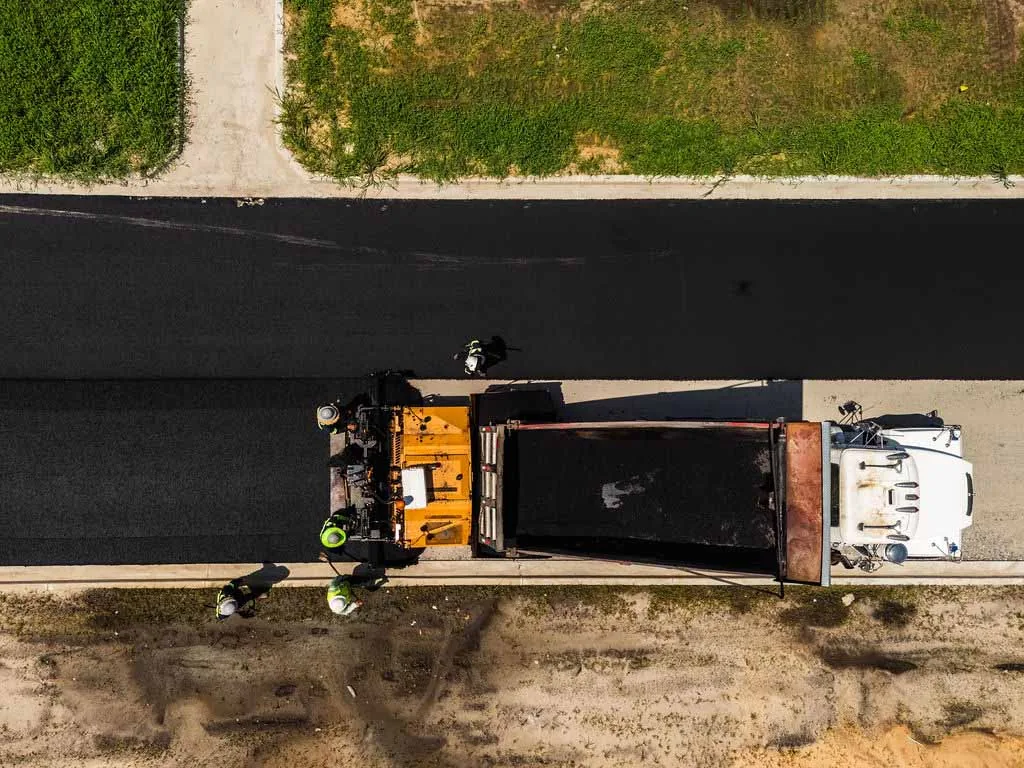
Asphalt is a durable and versatile material that creates a smooth, quiet, and safe driving surface. We install asphalt for roadways, access roads, fire lanes, and drive aisles. Its flexibility and quick installation make it an ideal choice for commercial paving projects.
Overlay & Resurfacing
Overlay and resurfacing services renew worn or aging asphalt by adding a fresh layer. This extends pavement life, improves appearance, and enhances overall performance.
Parking Lot Expansions
Parking lot expansions support increased traffic and property upgrades. Whether you need to expand existing pavement or start a new project, Platinum Paving and Concrete delivers reliable, long-lasting results.
Reclamation & Repaving
Reclamation and repaving are cost-effective, sustainable options for restoring worn pavement. This process strengthens the surface and improves performance for commercial use.
Patching & Pothole Repair
Patching and pothole repair are fast, effective ways to fix asphalt without replacing the entire pavement. Our team uses proven repair methods, such as hot mix or cold patch, for a seamless, long-lasting fix.
Asphalt vs. Concrete: Which Is Better?
Both asphalt and concrete are practical choices for commercial properties. The best choice depends on how the area will be used, traffic levels, and drainage.
Asphalt is ideal for parking lots, access roads, and drive aisles. It’s flexible, handles traffic and temperature changes well, and is usually more cost-effective upfront.
Asphalt paving typically lasts around 25 years and is easy to repair and resurface. Concrete is best for heavy-duty areas like loading docks, curbs, ADA ramps, and parking garages. It costs more initially but provides stronger long-term durability in high-stress zones.
As your paving contractor, Platinum Paving and Concrete can help you choose the right material for your property.
Our Asphalt Paving Process
We follow a tried-and-true five-step process for all asphalt paving services.
Assess
We assess the current pavement, install a new layer, and take other preliminary actions.
Build Drainage
We build a functional drainage system using cutting-edge equipment to construct catch basins that will increase the lifespan of your new pavement.
Apply Asphalt
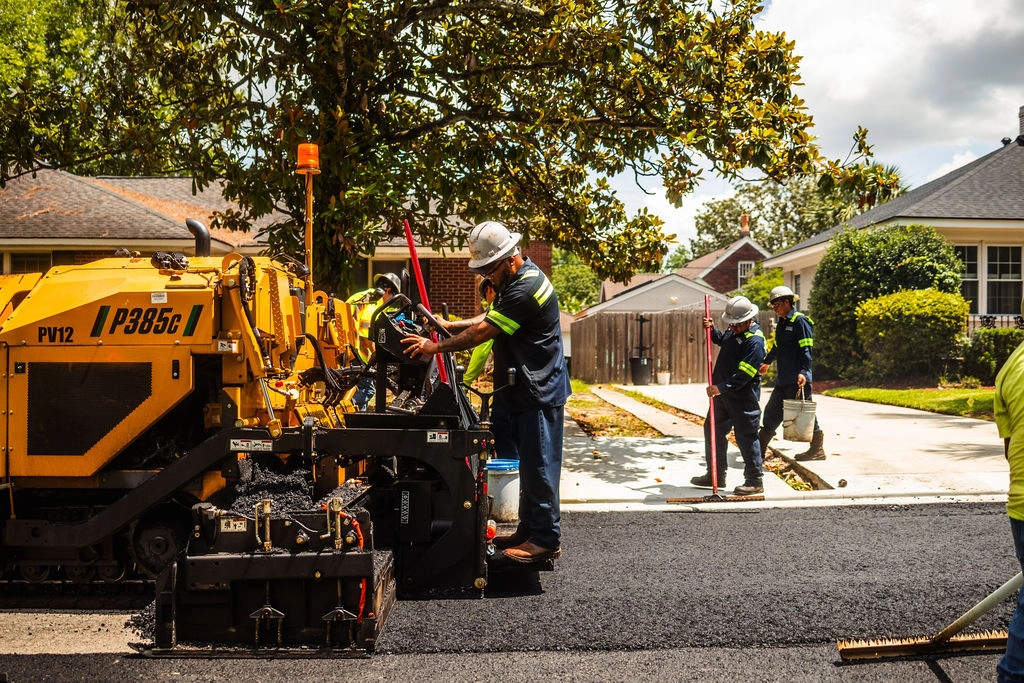
We apply the fresh asphalt.
Compress the Surface
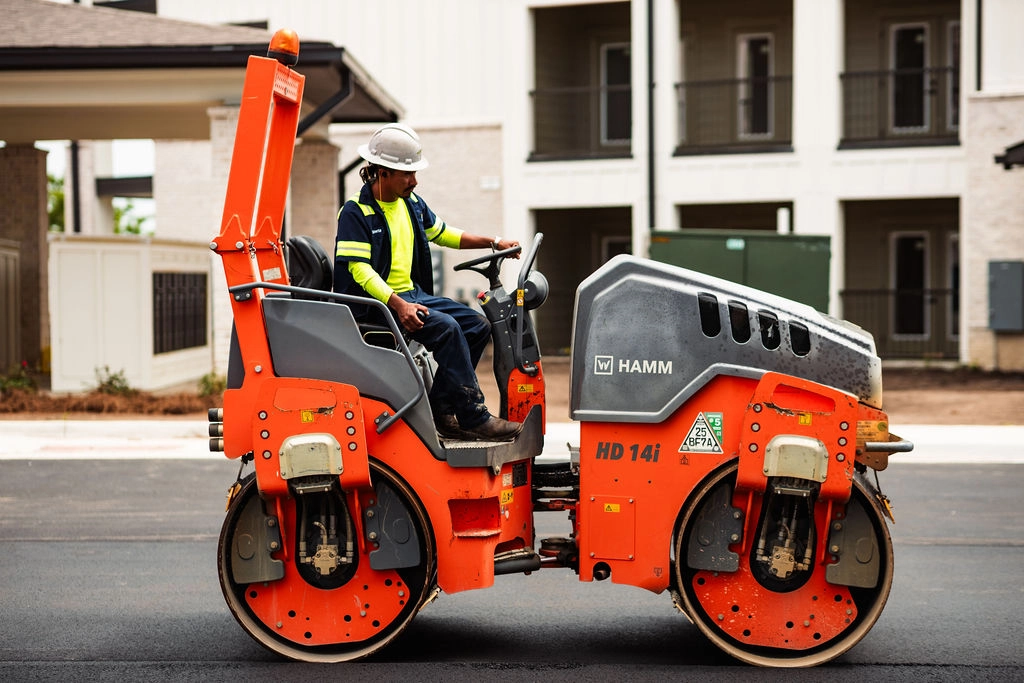
To provide a uniform surface, we compress and roll the newly laid asphalt.
Finishing Touches
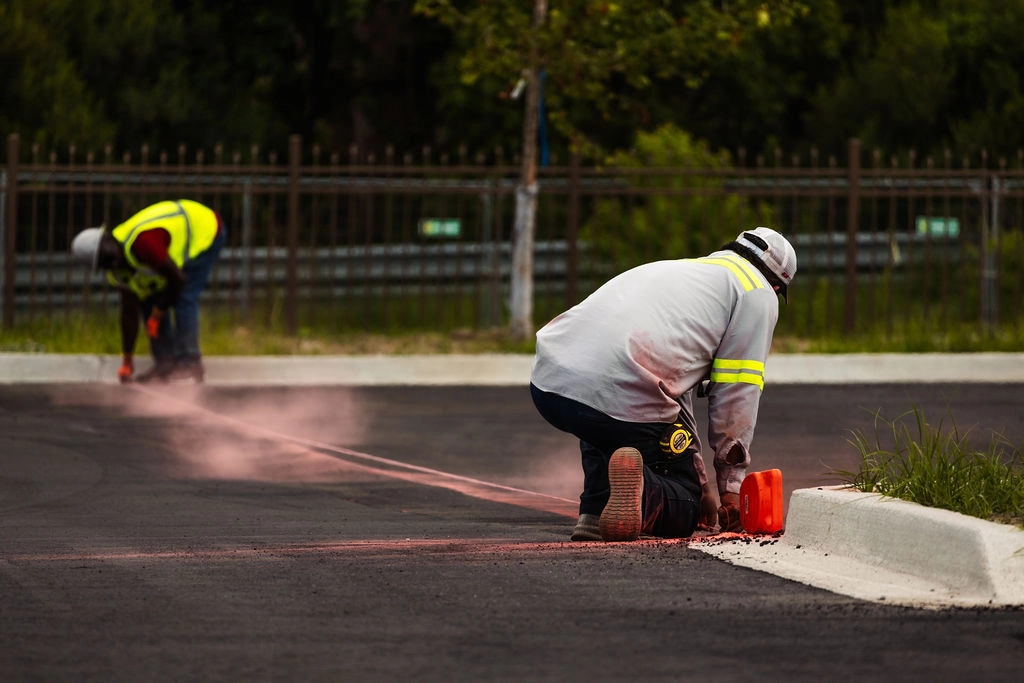
For optimal results, we mark the area, hang signage, and add any other finishing touches.
Types of Asphalt We Use
Different asphalt mixes are designed to meet specific performance needs based on traffic levels, site conditions, and environmental factors. We work with five asphalt types to help ensure the right structure and strength for your project.
- Hot Mix Asphalt: A long-lasting paving and patching solution applied at 270°F to 325°F. It cools into a seamless surface that resists weather and heavy traffic.
- MC Cold Mix / Cold Patch: A temporary asphalt solution applied at colder temperatures to slow curing. Best for low-traffic areas and short-term repairs.
- Warm Mix Asphalt: Produced at temperatures approximately 30°F to 120°F lower than traditional hot mix asphalt, improving workability while reducing fuel use and emissions.
- Porous Asphalt: Designed for stormwater management, this mix allows water to drain through the surface into underlying layers, reducing runoff and standing water in parking areas.
- Dense-Graded Asphalt: A versatile, durable mix used across multiple pavement layers. Its tightly packed aggregate structure provides strength for a wide range of commercial applications.
What Causes Asphalt Deterioration?
The quality of your subgrade plays a large role in how long your paved surface will last, but there are other factors, too.
Other elements that contribute to asphalt deterioration include:
- Concerns about weight and the load-bearing capacity of traffic
- Inadequate water drainage systems
- Oil and gas stains
- Poor routine maintenance
- Sudden weather fluctuations
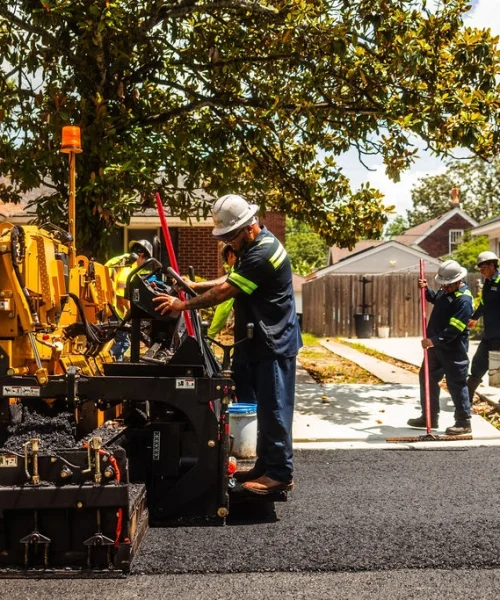
Asphalt Maintenance Tips
Preventive maintenance is one of the most effective ways to protect your asphalt paving. With preventative maintenance services, you can save money on repairs and extend pavement lifespan.
As your trusted asphalt company, we offer preventative maintenance plans that include routine inspections, timely repairs, and surface treatments. Addressing small issues early helps maintain safe, functional pavement while controlling long-term costs.
Our Featured Asphalt Projects
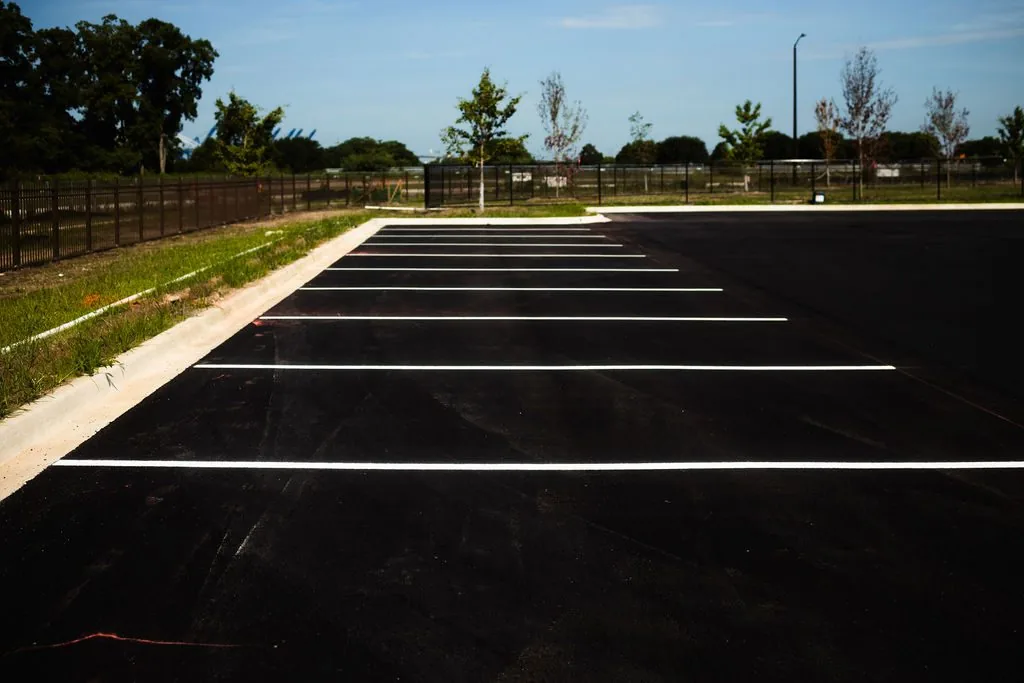
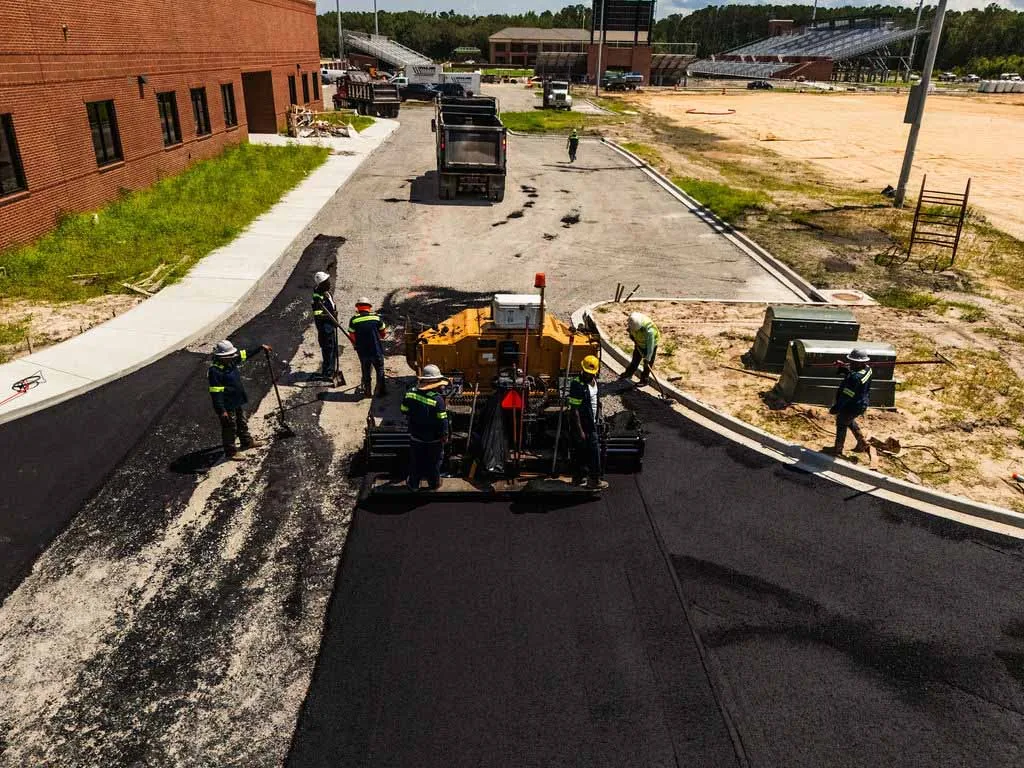
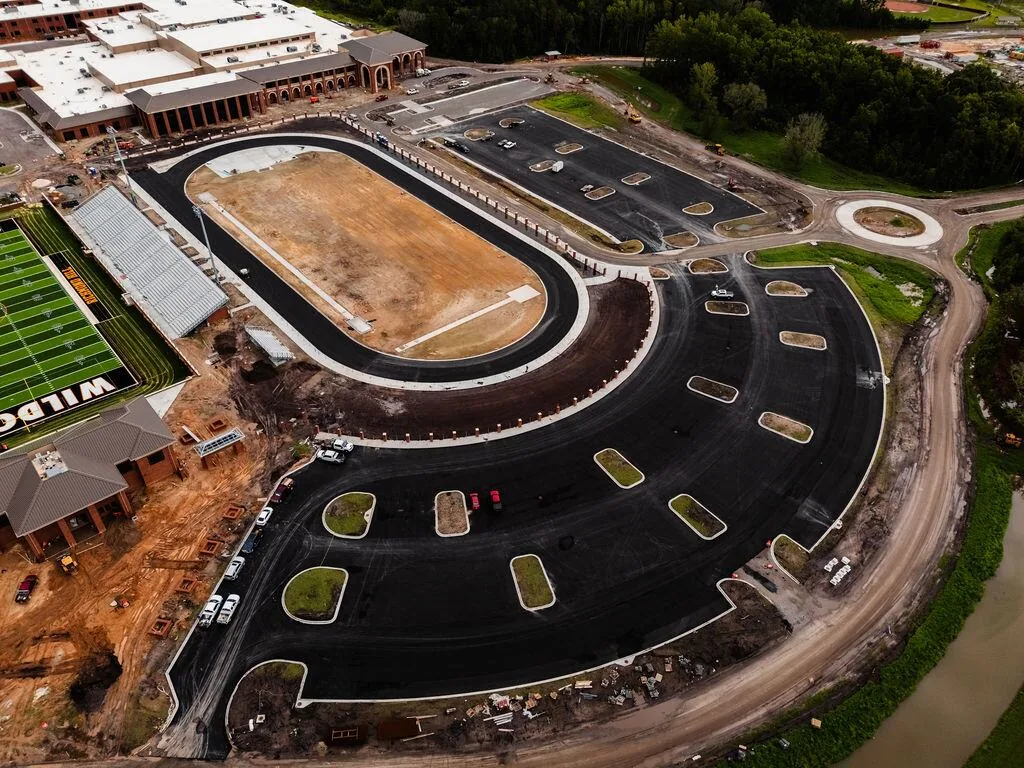
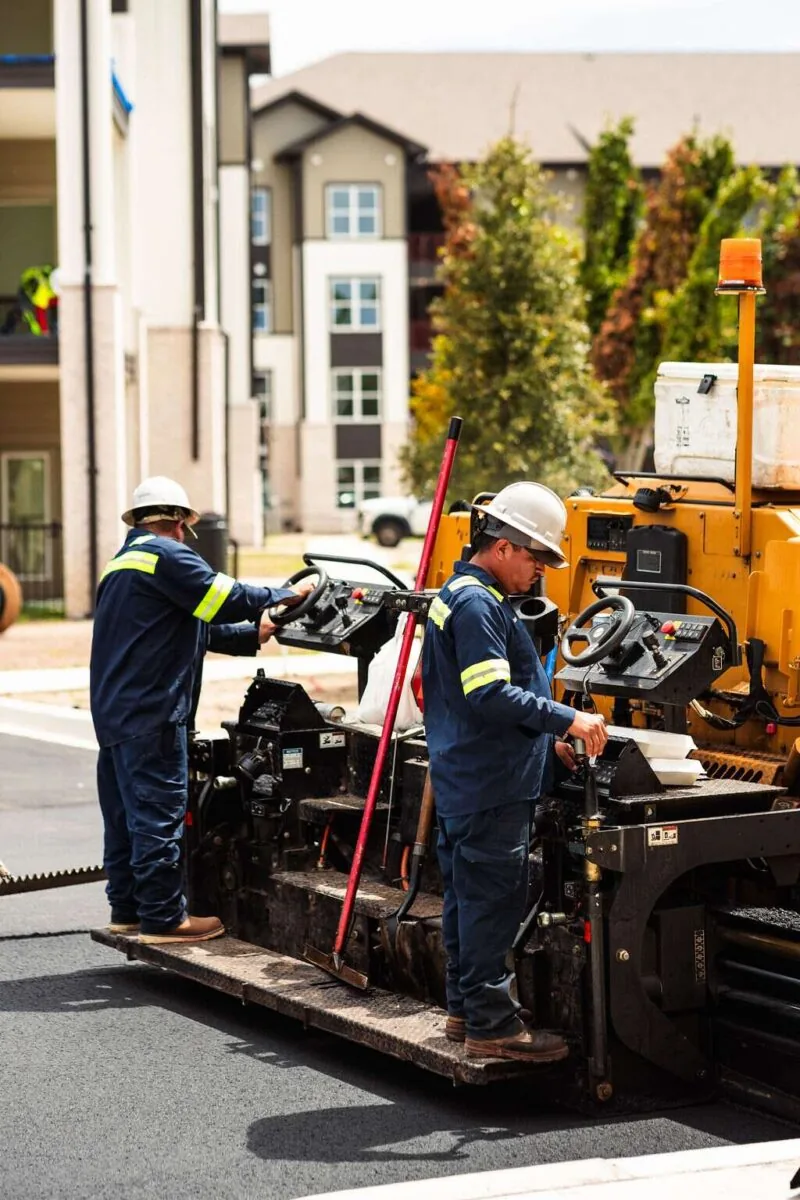
We take pride in delivering top-tier asphalt paving and exceptional customer service from start to finish. Our skilled team draws from years of combined experience as they work diligently to ensure each project reflects our commitment to quality and integrity. Built on ethical practices and a shared dedication to excellence, our reputation for reliability and craftsmanship speaks for itself.
Asphalt Paving FAQs
How hot is asphalt when paving?
Asphalt is extremely hot when it is installed. It can reach 270°F to 325°F when paving.
When is it safe to drive on freshly installed pavement?
Depending on the weather, asphalt mix, and project conditions, you should typically wait 24 to 72 hours before allowing regular vehicle traffic on newly installed pavement. Your paving contractor will provide reopening guidance based on the specific installation.