
Top-Rated Sealcoating Contractor in Georgia
Platinum Paving & Concrete provides comprehensive asphalt sealcoating services designed to protect and extend the life of your pavement. Our proactive maintenance process includes detailed surface preparation, expert application of premium sealants, and timely crack filling to block water intrusion and prevent further damage.
What Is Sealcoating?
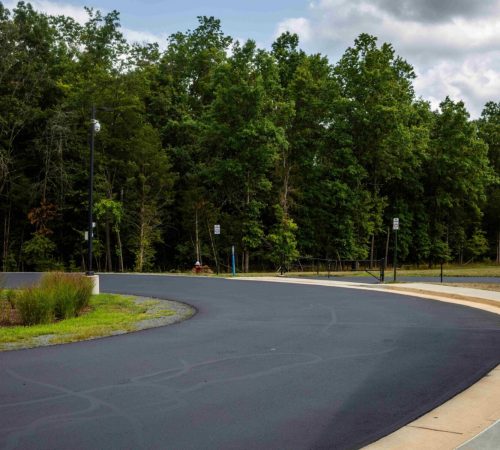
Sealcoating is the process of applying an asphalt emulsion across paved surfaces to protect and preserve the existing pavement. This protective coating creates a barrier that shields asphalt from damaging elements like sunlight, water, chemicals, and traffic.
While it does not repair structural damage, it plays a key role in preventative maintenance by protecting the pavement from oxidation and surface wear, extending pavement life, and keeping your property clean and professional-looking.
Milling Preparation
Sealcoating provides functional and visual benefits for commercial properties. When paired with proper asphalt repair and crack sealing, it becomes a key part of a long-term pavement maintenance strategy.
- Slows Oxidation: Sealcoating helps protect asphalt from UV rays, oxygen, and road salt, which are major contributors to surface breakdown over time.
- Extends Pavement: Lifespan By protecting the surface from environmental damage, sealcoating helps delay the need for larger repairs and premature replacement.
- Improves Curb: Appeal A freshly sealed parking lot creates a smooth, dark finish that enhances your property's overall appearance.
- Supports Ongoing Maintenance: Efforts When combined with services like crack sealing and routine inspections, sealcoating helps proactively keep pavement in better condition year after year.
Reactive vs. Proactive Asphalt Maintenance
At Platinum Paving & Concrete, we help property owners move away from costly, reactive repairs and toward a proactive maintenance plan that protects their pavement from the start.
Reactive Maintenance
Reactive maintenance happens when repairs are delayed until major problems appear. This often includes taking action after large cracks, potholes, or surface failures become visible.
This approach can cause several challenges:
- Emergency repairs that require immediate attention
- Higher repair costs due to advanced damage
- Unplanned downtime for your property or business operations
- Faster pavement deterioration from untreated issues
- A negative reflection of your business’s integrity
Proactive Maintenance
A proactive maintenance plan focuses on preventing damage before it starts. Services like sealcoating, crack sealing, and routine inspections allow small issues to be addressed before they become larger structural problems.
The benefits of proactive maintenance include:
- Lower long-term maintenance costs through early intervention
- Extended pavement lifespan with consistent care
- Improved safety and appearance for your property
- Better planning and budgeting for facility management
- Documented facility management metrics to keep your property compliant
Sealcoating plays a key role in proactive asphalt maintenance by protecting the surface and helping preserve your asphalt’s condition over time. When combined with regular asphalt repair and other maintenance services, it becomes a cost-effective way to manage your pavement investment.
How Frequently Is Sealcoating Required?
After the initial application, most commercial properties benefit from sealcoating every 2 to 3 years. This helps maintain a consistent protective barrier and prevents premature wear.
Factors that may impact your sealcoating schedule include:
- Traffic volume and load
- Exposure to sunlight and weather conditions
- Drainage conditions on the property
- Existing pavement condition and age
Staying on a consistent schedule is one of the easiest ways to extend the life of your pavement and avoid more expensive repairs later. The best times of the year to schedule sealcoating are in spring, summer, and early fall, before daytime temperatures drop below 50 degrees.
Our Sealcoating Process
We follow a consistent, six-step process to ensure every sealcoating project delivers long-lasting results and a clean, professional finish.
Prepare
We want a smooth and functional finished project as much as you do. That’s why we clear away dirt, debris, and anything else that might impact the effectiveness of the sealcoat at the beginning of the process. At this stage, we will also fix potholes, cracks, and other damage as needed.
Edge and Tape
We want to make sure that sealcoat is only applied where it’s needed. We will tape off and seal areas where the sealcoat won’t be applied to avoid confusion and mistakes from the get-go.
Apply the Sealcoat
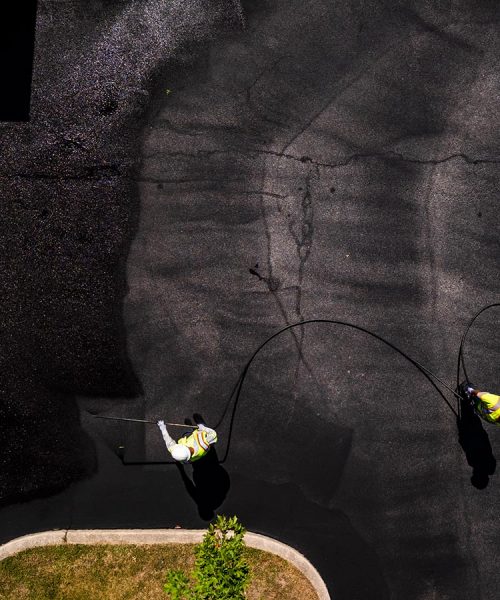
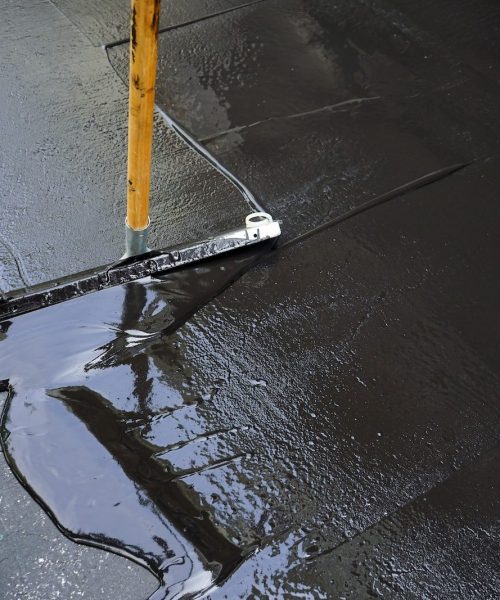
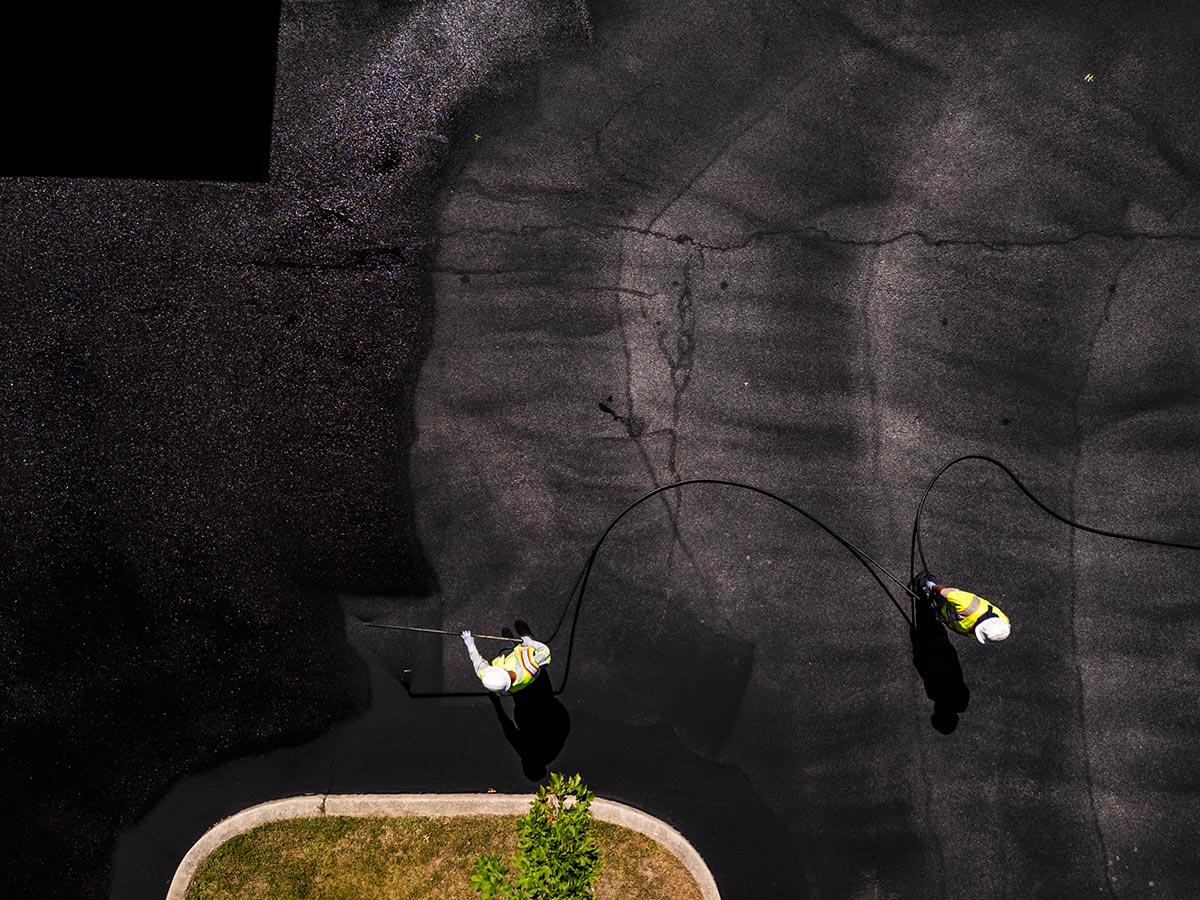
We will apply the sealcoat to the indicated areas using a spray or squeegee technique.
Sealing Layer Application
After the initial application, we will also add another sealing layer to guarantee a flawless finish.
Dry & Cure
We will allow the sealcoat to dry and cure for 12-36 hours, depending on the size and scope of the project.
Striping and Markings
If needed, we will repaint lane markers, parking spot lines, and other essential pavement markings.
Our Featured Sealcoating Projects
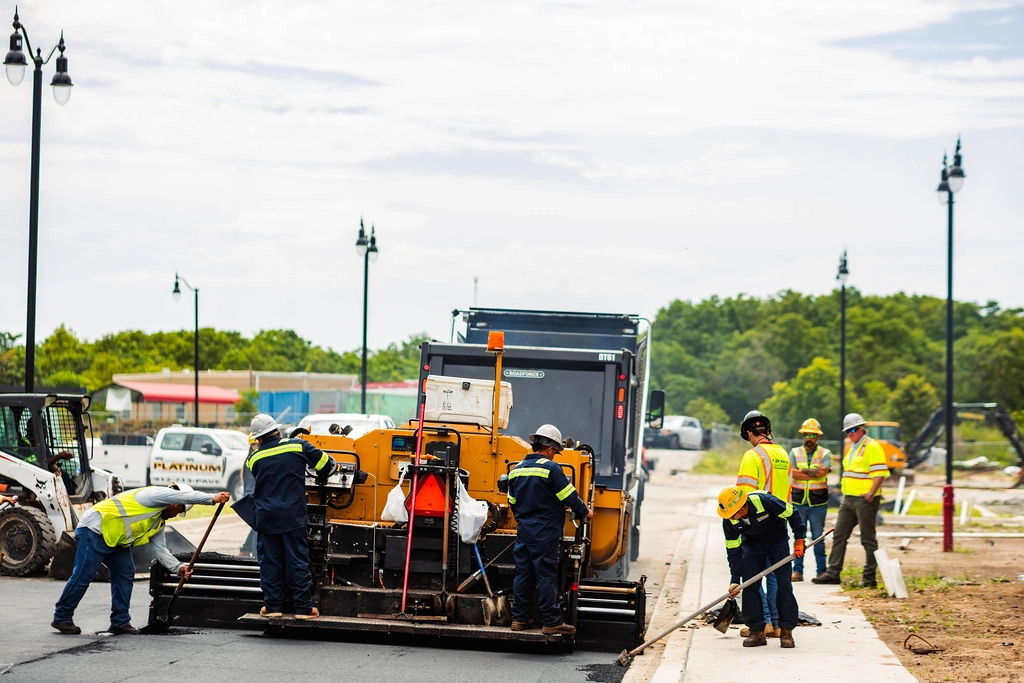
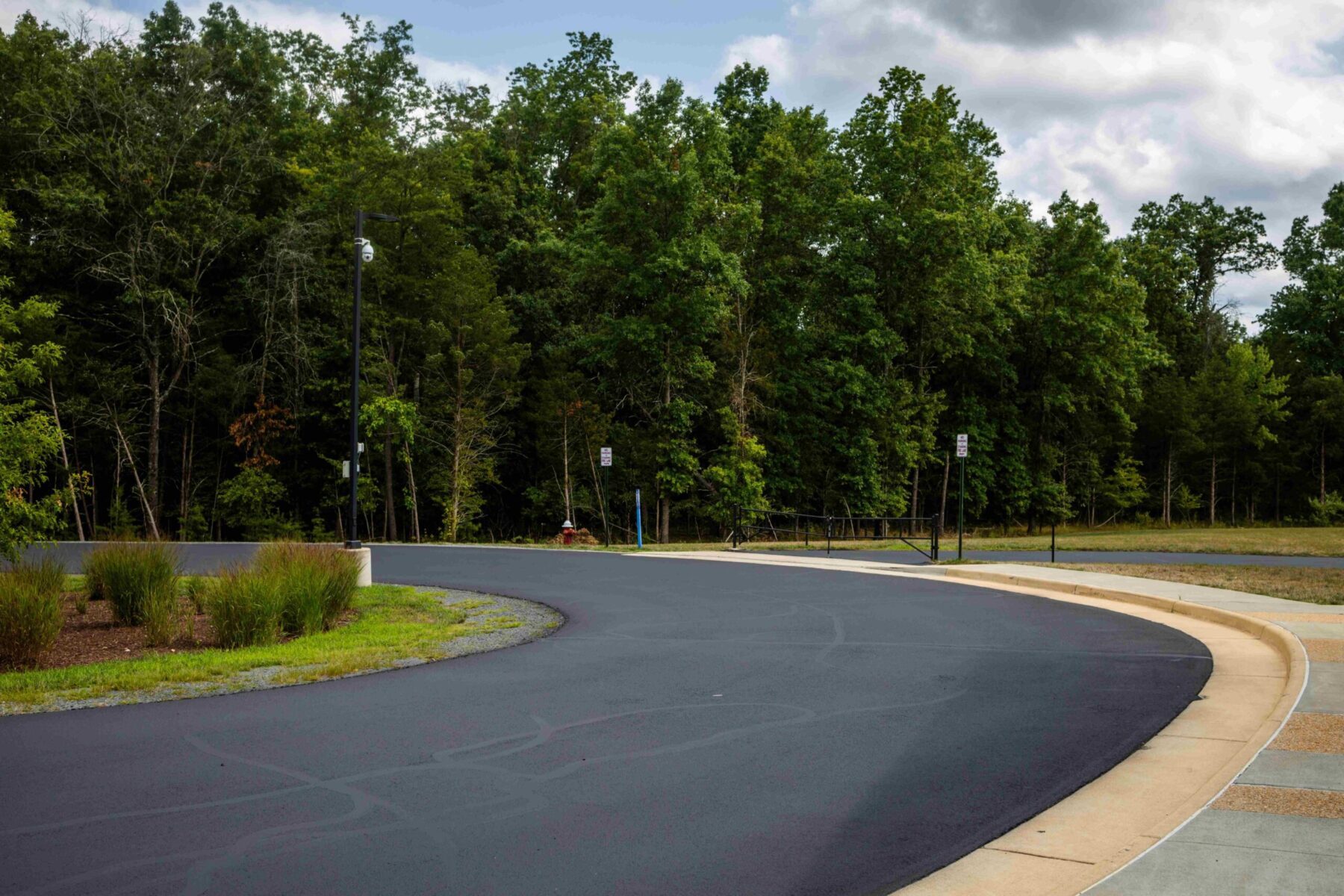
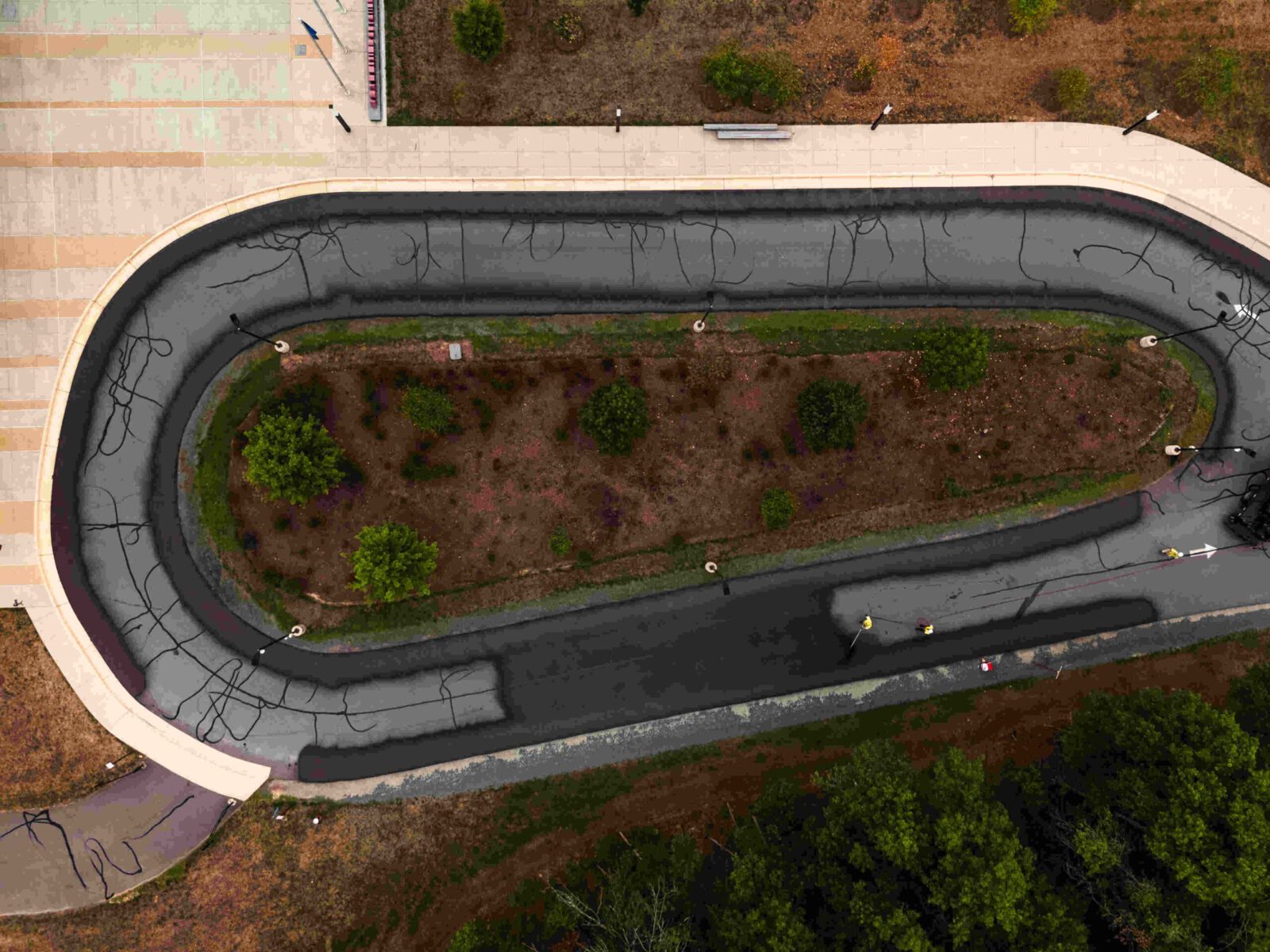
Our team has completed a wide range of commercial paving projects across Georgia, delivering consistent results for parking lots, roadways, and industrial properties. Each project reflects our focus on quality workmanship, efficient timelines, and long-lasting performance.
Sealcoating FAQs
When is the best time to apply sealcoating?
If you have brand-new asphalt pavement, you’ll need to wait anywhere from 90 days to 6 months to sealcoat it, as new asphalt needs enough time to dry and cure fully before adding the protective coating. In general, our team recommends sealcoating your pavement every 2 to 3 years in the late spring, summer, and early fall for the best results.
What is sealcoating?
Sealcoating, also known as pavement sealing, involves applying a protective coating to asphalt surfaces to shield them from damaging elements such as water, UV rays, oil, and weather-related wear.
How do I prepare for sealcoating?
Don’t worry, we’ll do all the work. But if you want to help us out, you can remove any debris such as pebbles, leaves, or dirt from your pavement and ensure that your parking lot is completely empty.