Parking lot maintenance helps retail property owners reduce repair costs, improve safety, and extend pavement life. Instead of waiting for potholes or major pavement failures, a proactive parking lot maintenance plan helps you address small issues before they become costly repairs.
At Platinum Paving and Concrete, we help retail centers across Georgia develop long-term pavement maintenance strategies that fit their budgets and property needs. This guide will help you build a practical maintenance plan that protects your investment and keeps your parking lot in excellent condition.
What Is a Parking Lot Maintenance Plan?
A parking lot maintenance plan is a written schedule of inspections, preventive maintenance, and repairs that helps extend pavement life and reduce long-term ownership costs. The property manager, facilities director, or ownership group typically manages the plan.
Unlike reactive maintenance, which addresses problems after they occur, a proactive plan identifies and repairs issues early. This helps prevent minor damage from becoming costly structural repairs and extends the life of the pavement.
For retail centers, the plan must account for high-traffic areas that wear faster than standard parking stalls.
Why Retail Centers Need a Formal Parking Lot Maintenance Plan
A documented parking lot maintenance plan offers several benefits for long-term costs, safety, and property value.
- Reduce Liability: Repairing cracks, potholes, and trip hazards helps lower the risk of accidents. Keeping inspection records also demonstrates due diligence.
- Protect First Impressions: A clean, well-maintained parking lot creates a safer, more welcoming experience for customers, tenants, and visitors.
- Maintain ADA Compliance: Georgia follows the federal ADA Standards for Accessible Design. Routine ADA compliance maintenance ensures your parking stalls, access aisles, and pavement markings remain visible and accessible.
- Extend Pavement Life: Georgia’s UV exposure, heavy rainfall, and expansive clay soils can accelerate pavement deterioration. Preventive maintenance helps slow wear and protect the pavement structure.
- Protect Property Value: Well-maintained pavement enhances curb appeal, supports leasing efforts, and helps preserve your property’s long-term value.
Addressing small issues early is far less expensive than major reconstruction. Regular crack filling, sealcoating, and drainage maintenance can delay costly overlays or full pavement replacement.
Core Components of a Parking Lot Maintenance Plan
A parking lot maintenance business plan for a retail complex goes beyond a simple checklist. It assigns maintenance activities, timelines, and budgets over multiple years, such as 3, 5, or 10+ years, to help maintain pavement longevity.
Here are key parking lot maintenance plan components:
Routine Inspections and Documentation
Inspect your parking lot at least twice a year, ideally in the spring and fall. High-traffic retail centers may benefit from quarterly inspections. During each walkthrough, document cracks, potholes, drainage issues, faded striping, and ADA features.
Keeping dated inspection records helps prioritize repairs, support budgeting, and demonstrate due diligence. Platinum Paving and Concrete offers professional pavement assessments to identify maintenance needs before they become costly repairs.
Crack Filling and Pothole Repair
Repair cracks once they reach approximately ¼ inch wide to help prevent water from reaching the pavement base. Addressing cracks early helps extend pavement life and reduce future repair costs.
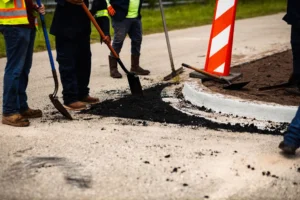
For localized pavement damage, asphalt patching and pothole repair provide a durable solution. In high-traffic retail areas, infrared asphalt repair offers a more permanent repair than a temporary cold patch.
Sealcoating Schedule
Sealcoating helps protect asphalt from oxidation, UV exposure, moisture, and everyday traffic wear. Most retail parking lots should be sealcoated every two to three years after new asphalt has cured for six to twelve months.
Routine sealcoating also restores the pavement’s appearance and helps extend its service life. Schedule applications during favorable weather conditions to ensure proper curing and performance.
Pavement Markings and Striping
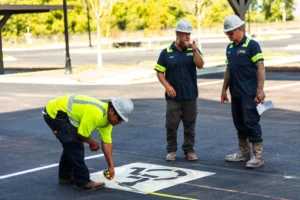
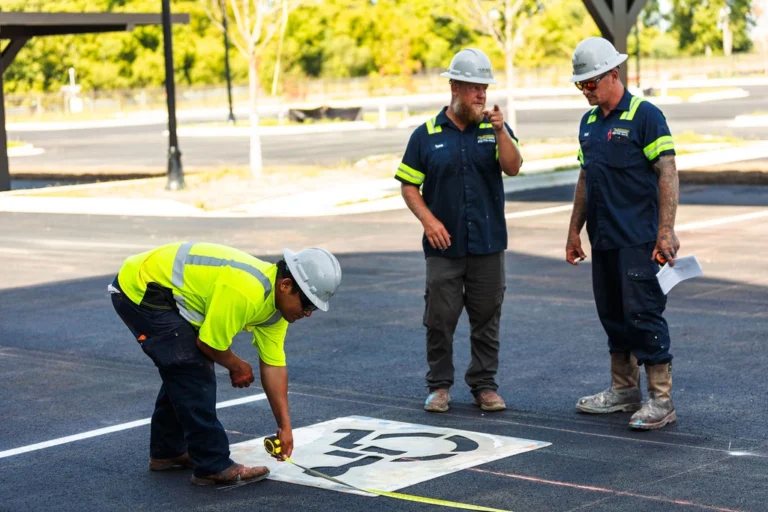
Clear pavement markings improve traffic flow, safety, and ADA accessibility. Most retail parking lots should be restriped every one to two years or whenever markings begin to fade. This typically includes parking stalls, accessible spaces, fire lanes, crosswalks, directional arrows, and other site markings.
Drainage Maintenance
Standing water is one of the leading causes of pavement failure in Georgia. Professional parking lot drainage services can help identify and correct drainage problems before they cause costly damage.
Sample 10-Year Maintenance Timeline for a Georgia Retail Lot
While every parking lot is different, most retail properties benefit from a consistent 10-year parking lot maintenance schedule. Here is a general 10-year timeline for planning inspections, preventive maintenance, and future capital improvements based on your pavement’s condition and traffic levels.
| Years | Recommended Maintenance |
| Year 1 | Pavement assessment, crack filling, striping, and drainage inspection |
| Year 2 | Crack repairs and drainage inspection |
| Year 3 | Sealcoating, restriping, and pothole repairs |
|
Years 4‑5 |
Crack filling, spot repairs, and drainage maintenance |
| Year 6 | Sealcoating, restriping, and ADA review |
|
Years 7‑9 |
Routine inspections, crack filling, and infrared repairs |
| Year 10 | Full pavement assessment to determine whether continued maintenance or resurfacing is appropriate |
Many commercial property owners set aside an annual capital reserve budget for pavement maintenance. The exact amount needed for your property will vary by property condition and repair needs.
When to Upgrade from Maintenance to Resurfacing or Replacement
Routine maintenance is the most cost-effective option when pavement damage is minor and localized. However, widespread alligator cracking, deep rutting, or base failure affecting roughly 25–30% of the lot often signals that resurfacing or reconstruction is the better long-term investment. An asphalt overlay can typically extend pavement life by 8–12 years, while full reconstruction with base repair may provide 20–25 years or more of service.
At Platinum Paving and Concrete, we can evaluate your parking lot and recommend the solution that best fits its condition and your budget.
Build a Smarter Parking Lot Maintenance Plan
A proactive parking lot maintenance plan helps retail property owners reduce repair costs, improve safety, and protect long-term property value. At Platinum Paving and Concrete, we offer comprehensive parking lot maintenance services tailored to your Georgia retail property.
Contact us today to schedule an assessment.