Potholes might seem like small, cosmetic problems you can afford to push to the side, but even small pavement failures can create costs that extend well beyond the repair itself. Damaged vehicles, customer complaints, liability concerns, and larger pavement repairs. These pothole-related issues all start the same way: water seeps into the asphalt, slowly weakening the pavement and spreading.
After more than a decade of service to commercial properties across Georgia, Platinum Paving & Concrete knows firsthand how quickly small potholes can worsen. In this guide, we help you understand the hidden costs of pavement failures so you can make informed decisions before pothole repair costs start adding up.
What Are Potholes and Why Do They Form in Georgia
Potholes develop when water enters cracks in the asphalt, weakening the pavement structure beneath the surface. As vehicles continue traveling over the affected area, the asphalt begins to break apart, eventually creating a hole or depression in the pavement.
While highway potholes often receive the most attention, commercial parking lots, industrial facilities, distribution centers, and private access roads are just as vulnerable. In Georgia, frequent rainfall, clay-heavy soils, and ongoing traffic loads can accelerate the process, allowing minor pavement defects to become larger failures over time.
Georgia’s Unique Challenges
Climate
Georgia’s climate and soil conditions create several challenges for commercial pavement. Frequent rainfall increases the likelihood of water infiltration, especially when cracks and surface defects are left untreated. Many areas of the state also contain clay-heavy soils that can expand and contract as moisture levels change, creating movement beneath the pavement.
Traffic
Commercial properties often experience consistent traffic from employees, customers, delivery vehicles, and service fleets. Over time, repeated loads place stress on weakened pavement, contributing to the development of potholes and other surface failures.
Vehicle Damage Costs: The Most Visible Impact
For many businesses, vehicle damage is the primary consequence of potholes. Customers, employees, vendors, and delivery drivers all rely on safe pavement conditions when entering and exiting a property. The larger the pothole, the harder it is for drivers to avoid.
Direct Vehicle Repair Expenses
The type and severity of vehicle damage often depend on the size of the pothole, vehicle speed, and traffic conditions.
Common pothole-related vehicle damage includes:
Tire replacement, often ranging from $100 to $300 per tire
Bent or damaged wheel rims that may cost several hundred dollars to repair or replace
Suspension, steering, and alignment repairs that can quickly add up
While isolated tire damage from potholes may seem minor, commercial property owners need to think about the cumulative impact. A pothole that affects one vehicle today could affect dozens more over the course of a busy month.
Fleet Impact for Georgia Businesses
Delivery trucks, service vehicles, and fleet vehicles rely on safe, reliable access every day. They’re often the first to feel the impact of deteriorating pavement. We’ve had conversations with property managers who thought they could get another season out of a damaged area, only to find themselves fielding complaints from drivers a few months later.
Business and Property Liability Risks
Vehicle damage is often the most visible consequence of potholes, but it is not the only risk commercial property owners face. Damaged pavement can create hazards for customers, employees, contractors, and visitors navigating the property. Uneven walking surfaces, deteriorated pavement edges, and expanding potholes can all increase the risk of costly claims and operational disruptions.
Some of the most common liability concerns include:
Customer Vehicle Damage Claims – Drivers who experience tire, wheel, or suspension damage may seek compensation if the damage occurred on your property.
Slip-and-Fall Incidents – Pedestrians may trip on damaged pavement or while attempting to avoid potholes and other uneven surfaces.
Employee Injury Claims – Unsafe parking lots and access roads can create risks for employees moving throughout the property during the workday.
Insurance and Premium Impacts – Multiple claims can increase administrative burdens and may affect future insurance costs.
The Importance of Maintenance Documentation Requirements
Routine inspections and documented repairs help demonstrate that pavement conditions are being actively monitored and addressed.
Lost Business and Customer Experience Impact
The costs associated with potholes aren’t always measured in repair invoices or insurance claims. Large potholes, deteriorating pavement, and visibly neglected surfaces create poor first impressions before customers even walk through the door.
Customer Perception and Retention
Most customers won’t comment on well-maintained parking lots. But they’ll absolutely speak up about damaged ones. Customers navigating damaged parking areas may question how well the rest of the property is maintained. For retail centers, office complexes, and multi-tenant properties, these impressions influence the overall customer experience.
Damaged pavement can also create accessibility concerns. Uneven surfaces and potholes may be difficult for elderly visitors, individuals with mobility challenges, or anyone carrying equipment and materials to navigate.
Operational Disruptions
Delivery vehicles may need to navigate around damaged areas, employees may raise concerns about parking lot conditions, and access to certain parts of the property becomes difficult as deterioration spreads. While these disruptions may not shut down operations, they become a daily frustration for those who use the space.
Professional Solutions: When to Call Paving Contractors
Addressing potholes early is often the most cost-effective approach to pothole repair. Smaller failures are often easier to repair and less disruptive than larger pavement issues that have been given time to spread.
Repair vs. Replacement Decision Factors
The right solution depends on the condition of the pavement, the extent of the damage, and the extent of the failure.
A professional pavement assessment typically evaluates:
Size and Severity of the Damage – Isolated potholes can often be addressed with targeted repairs, while widespread deterioration may require a more comprehensive solution.
Condition of the Underlying Pavement Structure – If the base has been compromised, more extensive repairs may be necessary.
Repair Method Requirements – Depending on the severity of the failure, a skin patch, partial-depth patch, full-depth patch, or infrared patching may be the most appropriate option.
Long-Term Cost Considerations – Repeated repairs to the same failing areas are often more expensive than resurfacing or reconstruction when pavement deterioration is widespread.
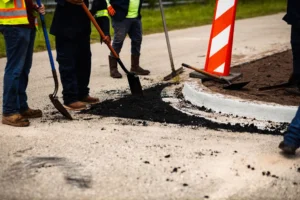
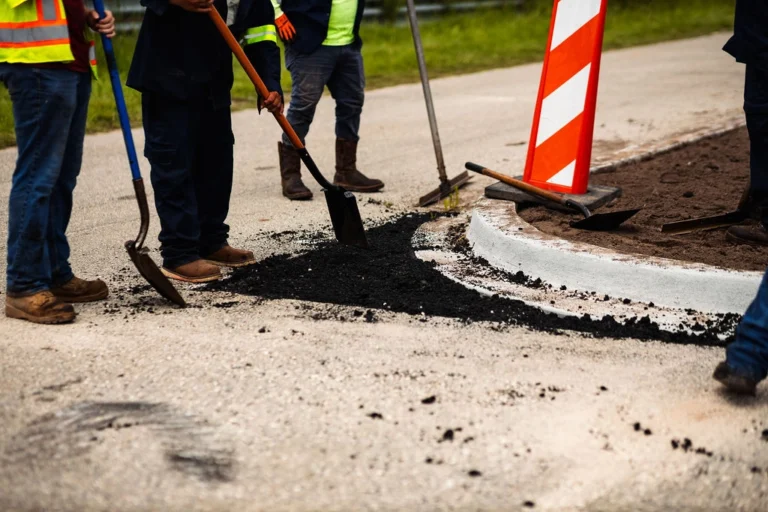
For localized pavement failures, targeted asphalt patching and pothole repair services are often enough to restore the affected area and prevent further deterioration.
Don’t Let Small Pavement Problems Become Bigger Expenses
Small pavement defects rarely stay small for long. As deterioration spreads, repair costs often increase, and the impact on the property becomes harder to ignore. For Georgia businesses, proactive maintenance can mean the difference between small, simple repairs and a costly replacement project.
If you’re concerned about potholes on your commercial property, Platinum Paving & Concrete is ready to help you evaluate your pavement and find the practical path forward.
Get ahead of widespread pothole issues and contact our paving experts now.