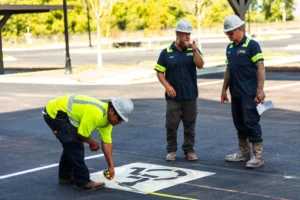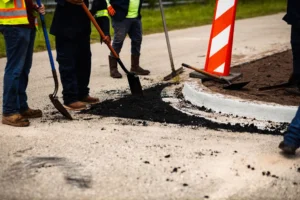
Savannah’s parking lot sidewalks, loading zones, warehouse slabs, dumpster pads, and curbing around commercial properties fall into a construction category known as concrete flatwork.
What is Concrete Flatwork?
Simply put, concrete flatwork is the horizontal concrete surfaces that are poured and built for long-term durability and daily use. From commercial entrances to industrial slabs, flatwork construction plays a major role in how properties function and handle traffic over time.
At Platinum Paving, we’ve spent more than 10 years helping Savannah’s commercial property owners navigate the challenges posed by Georgia’s climate and high-traffic pavement conditions. In this guide, we help you better understand how to protect your concrete flatwork by outlining its categories, applications, and benefits.
Understanding Concrete Flatwork: Definition and Core Characteristics
If someone asked you, “What is flatwork concrete?”, they are referring to poured concrete surfaces that sit horizontally rather than vertically. These surfaces are built to create smooth, stable areas capable of handling foot traffic, vehicle traffic, equipment loads, and daily commercial activity.
Common examples include:
Sidewalk systems
Concrete parking areas
Loading docks
ADA-accessible walkways
Dumpster pads
Warehouse floors
Curbing and concrete aprons
Concrete slabs for commercial facilities
Properly installed flatwork requires careful grading, reinforcement, drainage planning, and curing to withstand long-term commercial use.
Horizontal vs. Vertical Concrete Work
Flatwork differs significantly from vertical concrete applications such as retaining walls, foundations, and structural columns.
Horizontal concrete surfaces deal with completely different stress points. A warehouse slab, for example, has to handle constant weight, equipment traffic, moisture movement, and temperature changes over time. Commercial concrete flatwork usually requires a very different approach to reinforcement, drainage planning, and installation than pedestrian walkways do.
Key Materials and Composition
The concrete mix also plays a valuable role in surface durability, especially in high-traffic commercial areas. Organizations like the American Concrete Institute and the National Ready Mixed Concrete Association emphasize the importance of using appropriate concrete specifications to meet project demands and the long-term conditions the surface will face.
Types of Concrete Flatwork Projects
Commercial Concrete Flatwork
Commercial concrete flatwork projects are often built around functionality, traffic flow, drainage, and safety compliance.
You will usually see commercial flatwork incorporated into:
Parking lot sidewalks
Concrete loading docks
Retail center walkways
Industrial slabs
Dumpster enclosures
Concrete ramps
Warehouse flooring
ADA-accessible pathways
Many commercial properties also build larger concrete slab work areas designed to support heavier traffic, equipment use, and daily operational activity. Large commercial properties often combine flatwork with broader commercial paving services to create cohesive site layouts to improve their operations and accessibility.
The Concrete Flatwork Installation Process
One of the biggest reasons concrete flatwork fails early is poor planning and installation. The concrete flatwork installation process should account for traffic flow, drainage performance, safety requirements, and long-term durability.
Site Preparation and Excavation
Everything starts below the surface. Before concrete is installed, crews need to evaluate soil conditions, remove unstable material, establish proper grading, and create a compacted base.
Around Savannah, heavy rain and moisture-rich soil can cause movement beneath slabs if drainage is not properly managed. Site prep should include grading adjustments, base compaction, and runoff planning to help keep water moving away from the concrete. Without proper preparation, the finished concrete slab work may experience premature shifting, settling, and surface wear.
Proper site preparation includes:
Excavation and grading
Soil stabilization
Compacted aggregate base installation
Drainage corrections
Elevation adjustments for runoff control
Commercial properties with larger paved areas often coordinate concrete work alongside broader asphalt paving services to create smoother traffic flow and consistent site grading.
Forming and Reinforcement
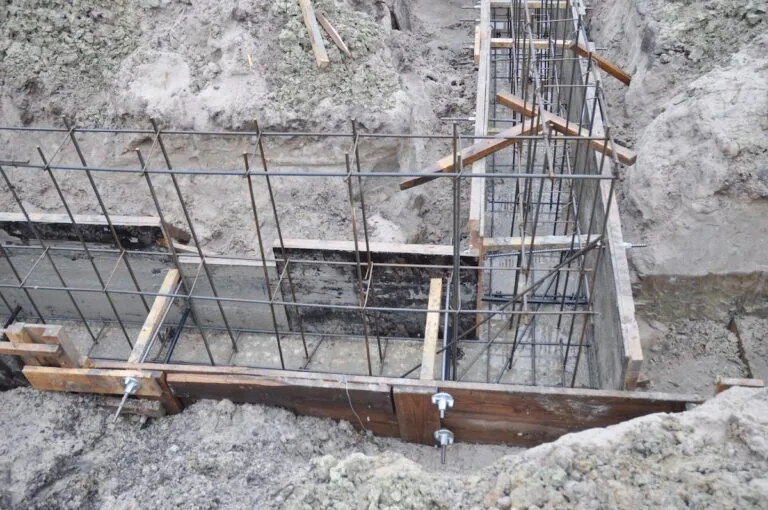
Once the base is ready, forms are installed to shape the concrete and establish the final layout. Rebar, wire mesh, or fiber reinforcement is then added to help the surface withstand daily traffic and wear. Expansion joints are also built into the surface to help manage natural movement as temperatures and moisture levels change. Without this step, cracks can start showing up sooner than expected.
Pouring, Finishing, and Curing
Next, the concrete can finally be poured and finished. Rushing the process can affect both the appearance and long-term durability of the surface. From leveling and joint cutting to curing, each step helps the concrete withstand daily commercial use.
Even when the surface looks finished, the concrete underneath is still hardening. According to the Portland Cement Association, allowing your concrete flatwork to cure fully before exposing it to regular traffic can significantly reduce the risk of premature cracking. Proper moisture control is also critical during this step, as Savannah’s heat, humidity, and changing weather can all affect the curing process.
Benefits of Professional Concrete Flatwork
When properly installed, concrete flatwork surfaces hold up well under daily use with minimal maintenance.
Durability and Longevity
Commercial concrete flatwork often lasts 25 to 30 years or longer, depending on the type of surface and installation quality.
Cost-Effectiveness
Concrete remains a practical long-term option for many commercial properties because it withstands daily wear and tear without requiring constant upkeep. While installation costs vary with size and project requirements, many property owners consider overall lifespan and maintenance expectations rather than just the upfront price.
Climate Suitability for Savannah
Concrete performs well throughout Savannah and the surrounding areas, but can be impacted by the region’s heavy rain, moisture exposure, and shifting ground conditions.
Regional standards from the Georgia Department of Transportation also place a strong focus on drainage performance and long-term pavement stability. Water collecting underneath slabs or along the edges of concrete surfaces can eventually lead to settling, shifting, and premature wear.
For commercial properties, durable flatwork helps reduce recurring repair issues, making it easier to maintain walkways, loading areas, and traffic zones.
FAQs
How long does concrete flatwork last?
Most commercial concrete flatwork lasts for decades with a proper installation. Factors like usage levels and site preparation affect how well the surface holds up over time, especially in high-traffic areas.
What’s the difference between concrete flatwork and a concrete slab?
A concrete slab is one type of flatwork, but concrete flatwork covers a much wider range of horizontal surfaces. Sidewalks, loading zones, curbing, walkways, dumpster pads, and concrete aprons all fall into that category.
How soon can I use new concrete flatwork?
ou can usually walk on new concrete within a couple of days, but commercial traffic and equipment loads need more time. Concrete continues gaining strength after it is poured, so proper curing upfront helps prevent issues later.
Is concrete flatwork suitable for Savannah’s climate?
Yes, when the installation is done properly. Savannah’s humidity, rainfall, and shifting moisture levels can put extra stress on concrete surfaces, which is why drainage, reinforcement, and curing are so important throughout the process.