Your concrete surfaces can fail prematurely when the concrete slab thickness is not properly calculated. Problems like cracking and surface wear often trace back to slabs that were underbuilt for the traffic, weight, or site conditions.
Traffic loads, drainage, soil stability, and long-term use affect concrete performance, especially in Georgia, where clay-heavy soil and moisture can cause subsurface movement.
As Georgia’s most trusted paving partner, Platinum Paving and Concrete leverages our expertise to help you prevent premature concrete failure. This guide breaks down residential and commercial concrete slab thickness recommendations, Georgia site conditions, and the common mistakes that lead to concrete failure.
Understanding Standard Concrete Slab Thickness Requirements
Proper concrete slab thickness helps the slab safely handle long-term traffic, weight, weather exposure, and ground movement.
Industry standards from the American Concrete Institute and the International Building Code help establish standard concrete slab thickness requirements for different applications. Load demands, reinforcement requirements, subgrade stability, and drainage conditions all influence the required slab thickness for the application.
Commercial Thickness Standards
Busy commercial areas may support everything from delivery trucks, forklifts, and dumpsters to near-constant vehicle traffic from morning through the end of the workday.
The minimum thickness for concrete slabs in commercial settings depends on how the space will be used:
Light Commercial Applications: 6 inches
Parking Lots And Access Lanes: 6 to 8 inches
Warehouse Floors: 6 to 8 inches with reinforcement
Truck Loading Areas: 8 to 12 inches, depending on load requirements
For larger commercial concrete projects, evaluating subgrade conditions before the pour can help identify problem areas, such as soft spots, that may cause movement later on. Base preparation, reinforcement placement, drainage planning, and proper compaction all help support the concrete above and reduce the risk of cracking or settlement over time.
Georgia Building Code Considerations
Georgia projects come with site conditions that can affect slab performance differently from projects in other parts of the country.
Some of the biggest factors include:
Clay-Heavy Soil Movement: Many areas across Georgia have expansive clay soil that swells during wet weather and shrinks as conditions dry out, gradually creating stress beneath concrete slabs.
Drainage and Moisture Exposure: Water collecting near the base can weaken the subgrade and increase the risk of cracking or surface wear over time.
Occasional Freeze Exposure: Northern Georgia projects may experience winter temperature swings that affect exterior concrete surfaces, especially in areas with poor drainage or moisture control.
Load-Bearing Requirements: Commercial slabs, structural foundations, and heavier-use surfaces may require soil evaluations or engineering review depending on traffic demands and project scope.
Concrete Slab Thickness by Application Type
The right concrete slab thickness depends heavily on how the surface will be used and the local climate. Pedestrian traffic, vehicle weight, equipment loads, moisture exposure, and reinforcement needs all influence slab depth recommendations.
Below is a general concrete slab thickness chart used for many common applications:
Application | Recommended Thickness | Common Notes |
Residential Patio | 4 Inches | Standard foot traffic |
Walkways | 4 Inches | Requires stable base preparation |
Crawl Space Floor | 3.5 To 4 Inches | IRC minimums may apply |
Slab-On-Grade Foundation | 4 To 6 Inches | Depends on the structure and soil |
Commercial Parking Areas | 6 To 8 Inches | Reinforcement commonly used |
Warehouse Floors | 6 To 8 Inches | Designed for operational traffic |
Truck Loading Zones | 8 To 12 Inches | Heavy-duty reinforcement needed |
Decorative Overlay | 1.5 To 2 Inches | Installed over the existing substrate |
Foundation Slabs and Floor Systems
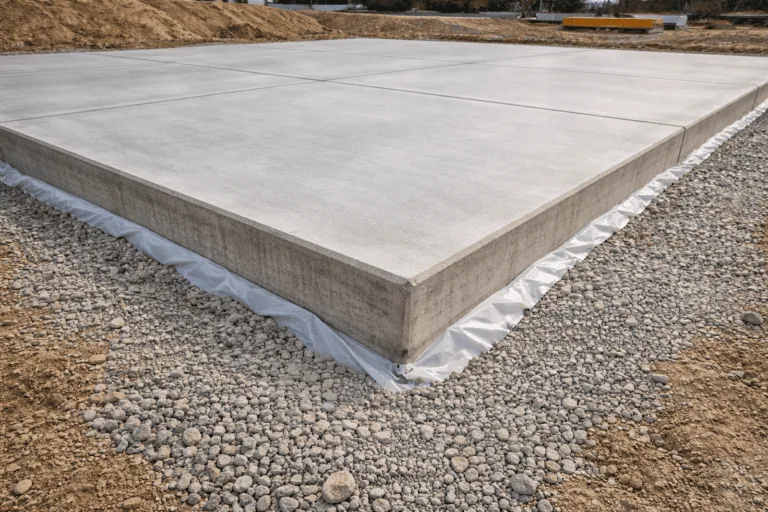
Most slab-on-grade foundations are poured 4 to 6 inches thick, though the final depth can vary depending on:
Soil conditions
Building weight
Drainage needs
Reinforcement requirements
Water table concerns
Depending on the site, interior floors and foundation systems may also need vapor barriers, reinforcement, or additional base preparation to help improve long-term stability.
If you are planning a new construction project or structural slab work, concrete foundation professionals can help evaluate drainage, compaction, and subgrade conditions before the concrete is poured.
Driveways and Walkways
Most walkways perform well at a thickness of around 4 inches when paired with solid base preparation and proper drainage. Commercial drive lanes, parking areas, and access routes usually require additional thickness and reinforcement to withstand repeated vehicular traffic and heavy daily use without premature cracking or settlement.
Patios and Decorative Concrete
Most patios are poured to around 4 inches thick, though decorative concrete layouts, pool decks, and exterior slabs may require additional reinforcement or drainage planning, depending on site conditions. Proper grading also helps reduce standing water and long-term surface wear, especially in outdoor areas exposed to regular rain and runoff.
If you are planning more customized exterior slab work, experienced concrete flatwork professionals can help evaluate drainage flow, surface layout, and reinforcement needs before installation begins.
How to Determine Proper Slab Thickness for Your Project
The Portland Cement Association notes that long-term concrete performance depends on more than slab depth alone. Base preparation, moisture control, reinforcement, and installation consistency all play a role in how well concrete holds up over time.
Load Assessment and Soil Analysis
Light foot traffic creates very different demands than those of delivery trucks, forklifts, or other equipment. Repeated turning pressure or concentrated loads can gradually weaken slabs that were not designed for these conditions from the start.
Georgia’s clay-heavy soil naturally shifts as moisture levels change throughout the year, which can create movement beneath the slab if the subgrade is unstable or poorly compacted.
For larger commercial pours, soil-bearing evaluations and geotechnical reports may be recommended to identify drainage concerns, soft subgrade areas, and moisture retention issues.
Climate and Environmental Factors
High humidity, heavy rainfall, standing water, and intense summer heat can all affect soil stability and how concrete cures.
Exterior slabs across Georgia deal with ongoing exposure to:
UV rays and summer heat
Heavy storm runoff
Moisture intrusion near joints and edges
Seasonal expansion and contraction
Using Professional Calculation Tools
Online concrete slab thickness calculators can provide rough estimates for smaller projects, but they often do not account for site-specific conditions such as soil movement and drainage issues.
For larger commercial surfaces, slab design decisions are usually based on:
Expected load demands
Reinforcement requirements
Soil bearing capacity
Base preparation
Moisture control planning
Working with professional concrete contractors can help you identify conditions that standard online calculators might miss before the project enters the planning phase.
Professional Installation Best Practices for Georgia Projects
Long-term concrete performance depends on how well the slab is prepared and installed.
Reinforcement Requirements by Thickness
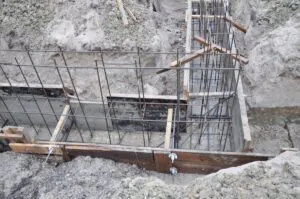
Reinforcement helps concrete distribute weight more evenly and reduce cracking as the slab ages. The type of reinforcement used often depends on slab thickness, traffic loads, and how the surface will be used day to day.
Common reinforcement options include:
Wire mesh for lighter-use slabs
Rebar for structural and commercial applications
Fiber reinforcement for additional crack resistance
Heavier-use surfaces, such as commercial access lanes, often require reinforcement strategies tailored to operational traffic patterns and load demands rather than minimum code requirements.
Curing and Quality Control
Small inconsistencies in slab depth, reinforcement placement, compaction, or moisture control can gradually lead to issues such as cracking and uneven wear once the surface begins handling regular traffic.
Quality control during installation and curing often includes:
Verifying slab depth during placement
Monitoring reinforcement placement
Checking compaction levels
Evaluating drainage flow around the slab
For larger pours or projects involving ready-mix concrete delivery, consistency throughout the placement process helps reduce weak spots and improve long-term durability.
Get a Concrete Quote
Platinum Paving helps property owners get the concrete slab thickness right from the beginning, helping prevent expensive cracking, settlement, and structural issues later on.
Whether your project involves a parking area or a new flatwork installation, our team can help determine the right slab design and base-preparation approach before a single drop of concrete is poured.
Concrete Slab Thickness FAQs
What Is The Minimum Thickness For A Concrete Slab In Georgia?
The minimum thickness for a concrete slab depends on how the surface will be used. Many patios and walkways are poured to around 4 inches thick, while commercial surfaces that handle heavier traffic often need 6 inches or more for better long-term support.
How Do I Calculate The Right Thickness For My Concrete Slab Project?
The biggest factors are usually traffic loads, soil conditions, drainage, and the type of surface being installed. Smaller residential projects may follow standard recommendations, but larger commercial slabs require a closer evaluation before the pour begins.
Can I Pour A Thicker Slab Than Required?
Yes, and in some cases it can improve durability, especially in high-traffic areas. The reinforcement and base preparation still need to match the slab design so that the extra thickness actually benefits the surface over time.
What Happens If My Concrete Slab Is Too Thin?
Concrete that is too thin for the conditions can start cracking, settling, or wearing down earlier than expected. Heavy traffic, unstable soil, and drainage problems usually cause issues to appear even faster.
Do Interior And Exterior Concrete Slabs Require Different Thicknesses?
Often, yes. Exterior slabs typically experience greater moisture exposure, runoff, weather fluctuations, and vehicle traffic, which may require greater thickness or reinforcement than interior floors.