Winter in Georgia and across the Southeast isn’t always about constant freezing, it’s also about rapid temperature changes, heavy rainfall, and sudden overnight cold snaps. While these conditions may seem mild compared to northern winters, they can be just as damaging to pavement, especially when existing cracks, drainage issues, or surface wear are already present.
Understanding how Southeast winter weather impacts asphalt can help property owners spot early warning signs and take action before minor problems turn into major repairs.
Why Southeast Winters Are Tough on Pavement
Unlike regions with consistently cold temperatures, the Southeast experiences frequent fluctuations between warm days and cold nights. Combined with seasonal rainfall, these rapid changes create ideal conditions for pavement deterioration.
Moisture penetrates small openings in the pavement, temperatures drop overnight causing that moisture to expand, and traffic applies constant stress. Over time, this cycle accelerates wear, weakens the pavement structure, and leads to surface failures that can impact safety, appearance, and long-term performance.
Common Winter Pavement Problems to Watch For
As winter weather sets in, keep an eye out for these common pavement concerns:
Cracks That Worsen Quickly
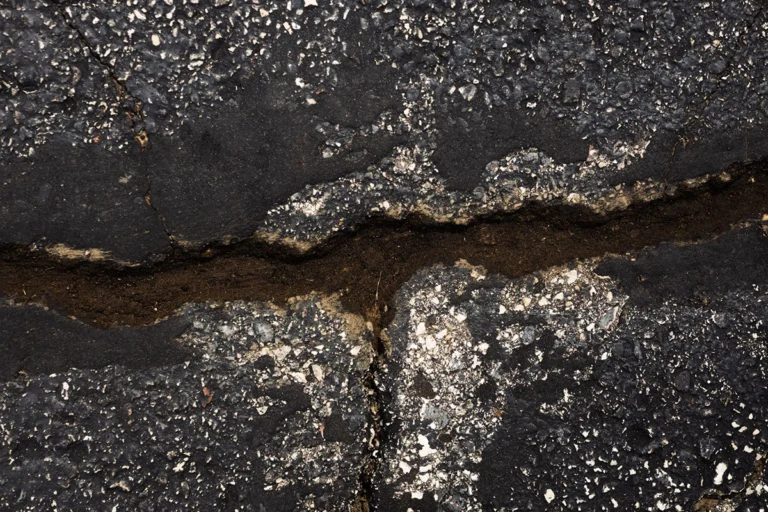
Rainwater seeps into small cracks, and during cold nights, that moisture expands, forcing the cracks wider and deeper. What starts as a hairline fracture can rapidly develop into larger structural damage if left untreated.
Potholes After Cold Snaps
Sudden drops in temperature can cause weakened areas of pavement to break apart under traffic. These failures often appear seemingly overnight and can quickly become safety hazards for both drivers and pedestrians.
Surface Breakdown
Repeated wet-and-dry cycles combined with traffic gradually wear down the pavement surface. This leads to raveling, crumbling, and a rough texture that reduces traction, affects appearance, and speeds up deterioration.
Standing Water and Slick Spots
Poor drainage allows water to pool on pavement surfaces. During colder periods, this water can freeze, creating slick, hazardous conditions. Persistent standing water also signals drainage or base issues that contribute to long-term pavement damage.
Edge Failure
Pavement edges are especially vulnerable during wet winters followed by temperature swings. Water infiltration along the edges leads to cracking, crumbling, and erosion, which can quickly spread inward and compromise larger sections of pavement.
Why Early Action Makes a Difference
Catching winter pavement issues early allows for targeted, cost-effective repairs before damage spreads. Proactive maintenance helps:
- Extend the life of your pavement
- Reduce costly emergency repairs
- Improve safety and reduce liability risks
- Maintain curb appeal and property value
- Ensure smoother operations through winter and into spring
Routine inspections and preventative maintenance are the most effective ways to stay ahead of winter damage.
Protect Your Pavement This Winter
At Platinum Paving, we understand how Southeast winters impact asphalt differently. Our experienced team helps property owners identify early warning signs and take action through timely repairs and preventative maintenance. This proactive approach protects safety, appearance, and pavement life—well before spring arrives.
Stay Ahead of Winter Pavement Problems
Winter conditions may be unpredictable, but costly pavement repairs don’t have to be. If your pavement hasn’t been evaluated recently or you’re noticing early signs of deterioration, now is the time to act.